Micronesia,
a thousand islands, one ocean frontier.
Scattered across three million square miles of the western Pacific, Micronesia is the Pacific’s most remote and most rewarding charter diving destination. Palau’s Blue Corner — consistently rated the world’s finest dive site — Chuuk Lagoon’s WWII wrecks, Yap’s resident manta rays, and Jellyfish Lake’s golden jellyfish make Micronesia unlike anywhere else in Oceania.
No. 1
dive site in the world — Blue Corner, Palau
60+
WWII wrecks in Chuuk Lagoon — world’s greatest wreck diving
500,000
sq km Palau National Marine Sanctuary — 80% of Palau’s waters protected
Year-round
diving season — 28–30°C water, consistent visibility
THE CHARTER CASE FOR MICRONESIA
The Pacific’s greatest diving frontier
Micronesia covers more ocean than any other charter region in Oceania — 2,000 islands and atolls scattered across three million square miles of the western Pacific between Hawaii and the Philippines. Most visitors never come. Those who do rarely talk about anything else.
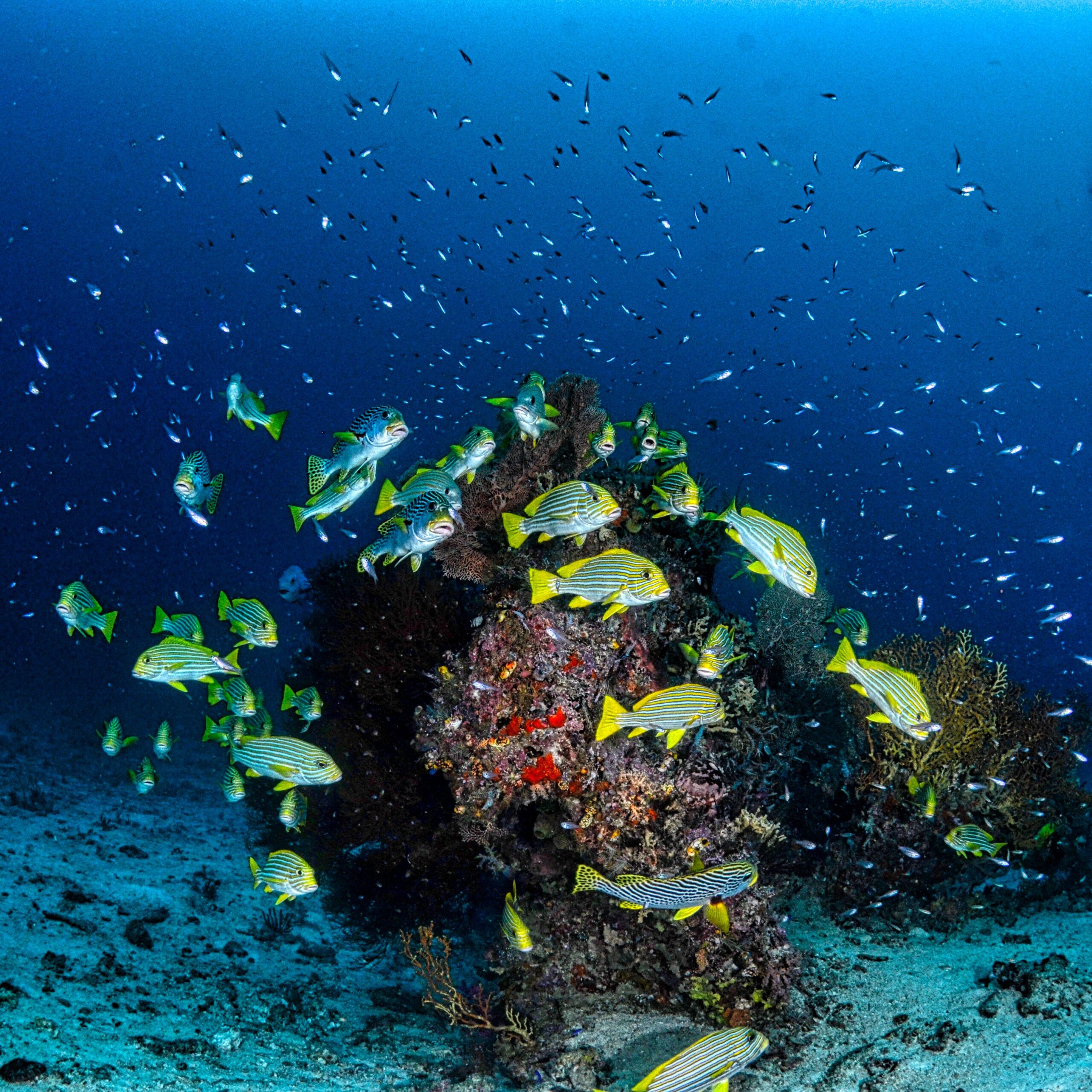
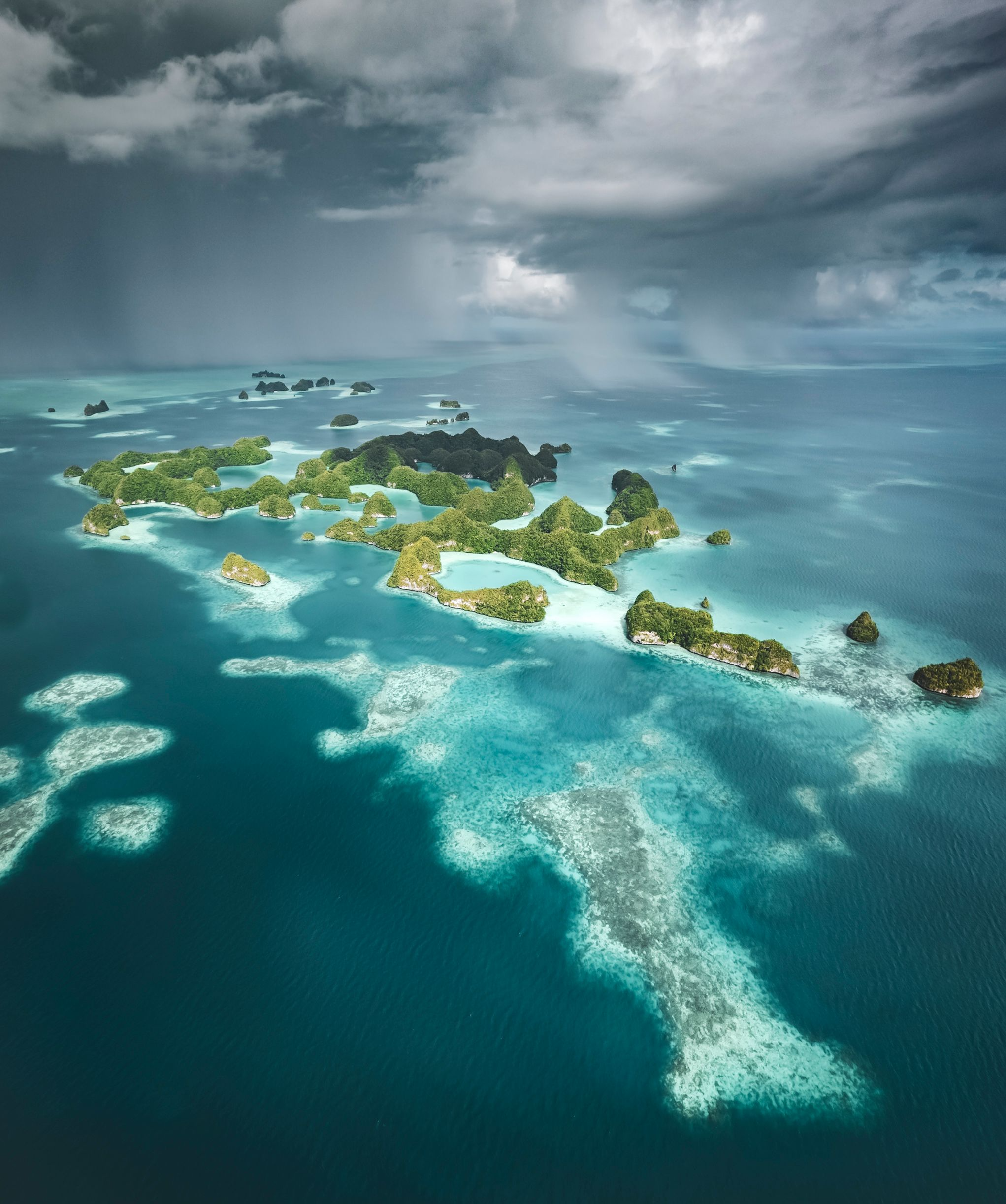
Palau is the anchor. Blue Corner — a submerged reef plateau swept by powerful currents off Palau’s western coast — is consistently ranked by dive publications as the world’s single best dive site. The Rock Islands Southern Lagoon, a UNESCO World Heritage Site since 2012, holds 70 marine lakes including the famous Jellyfish Lake. The Palau National Marine Sanctuary, established in 2015, protects 80% of Palau’s Exclusive Economic Zone — 500,000 square kilometres of ocean — making it one of the largest protected marine areas on earth.
Beyond Palau, Chuuk Lagoon holds the largest collection of WWII wrecks in the world. Yap offers some of the Pacific’s most reliable manta ray encounters. Pohnpei and Kosrae — quieter, less visited — add ancient ruins, surf, and pristine reef to the Micronesia charter picture. The region is not easy or cheap to reach. For divers, it is worth every effort.
PALAU’S SIGNATURE EXPERIENCE
Jellyfish Lake — Ongeim’l Tketau
A marine lake of golden jellyfish found nowhere else on earth
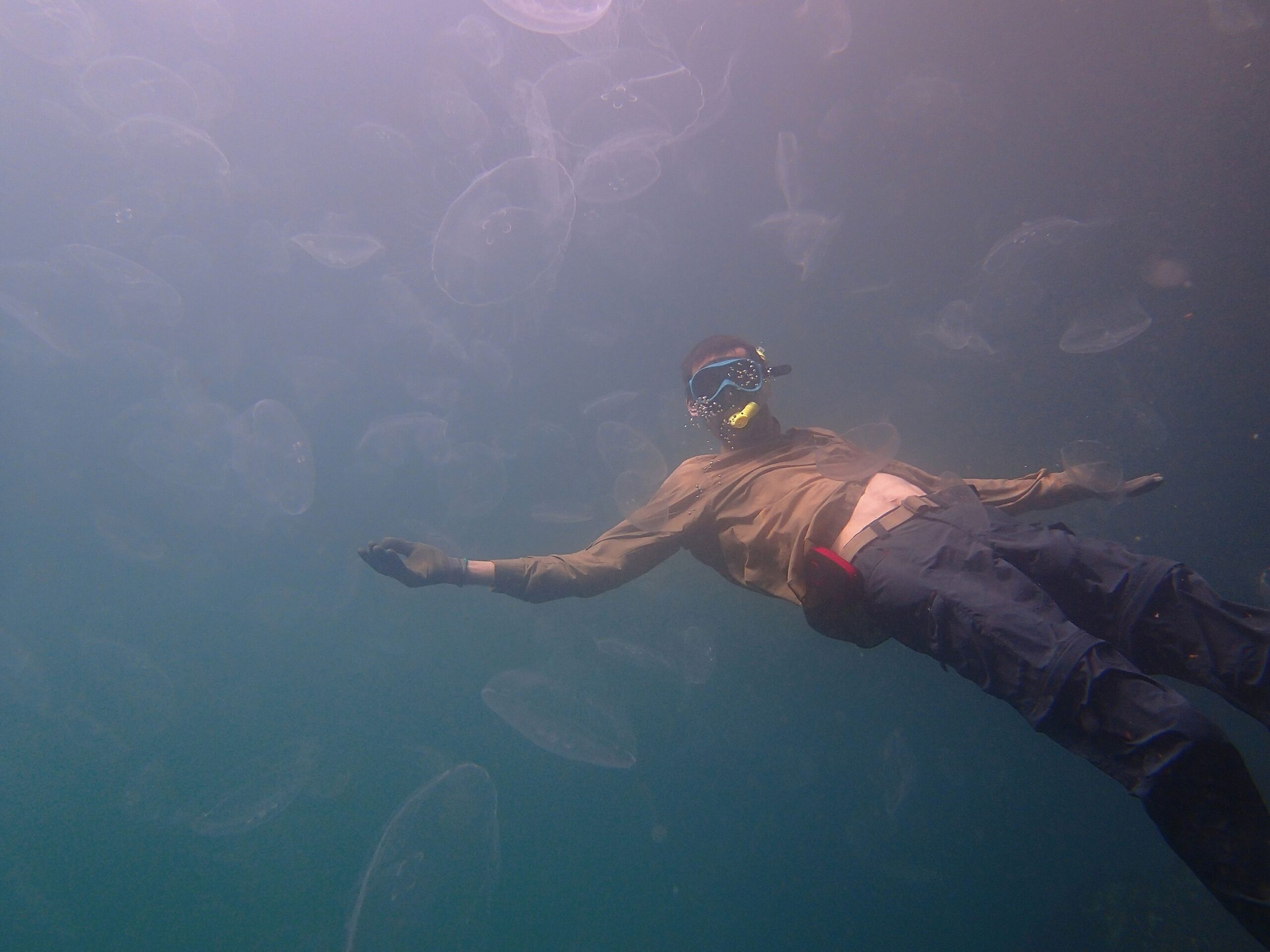
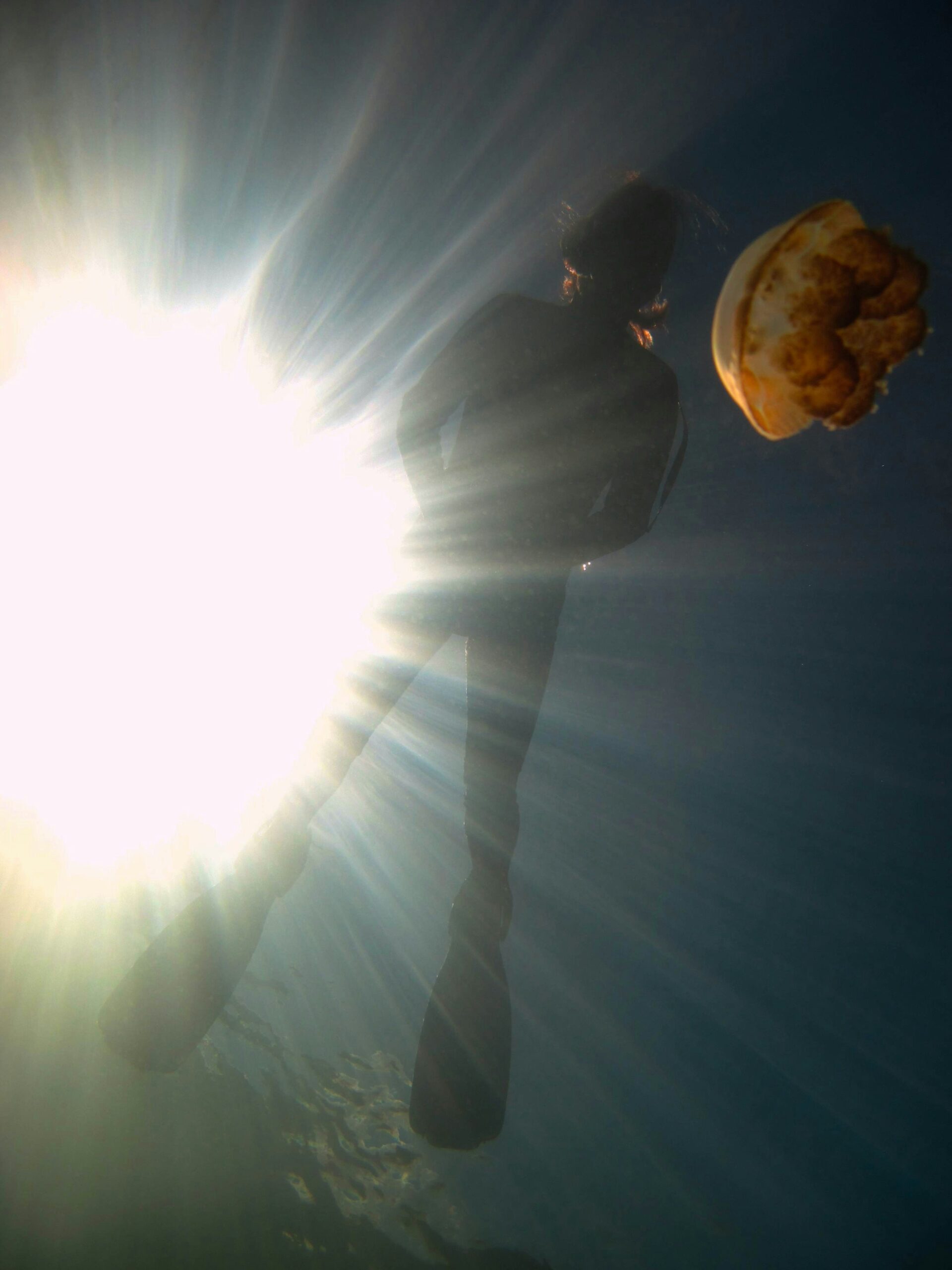
Ongeim’l Tketau — Jellyfish Lake — is a saltwater marine lake on the island of Eil Malk in Palau’s Rock Islands. Millions of golden jellyfish migrate horizontally across the lake each day, following the sun. Having evolved in an enclosed environment with no predators, they have lost most of their stinging ability — snorkelers float among them without wetsuits, surrounded by pulsing translucent bodies in every direction.
There is nothing else like it anywhere on earth. Palau has over 70 marine lakes, but Jellyfish Lake is the only one open to tourists under strict conditions. It is accessible only by charter boat from Koror, followed by a short uphill walk across the island. No scuba diving is permitted in the lake — only snorkeling, to protect the thermocline that sustains the jellyfish population.
Strict environmental rules apply: No chemical sunscreen — only reef-safe mineral sunscreen is permitted. No touching the jellyfish. Maximum snorkeling time is limited during high visitor periods. The lake was temporarily closed from 2016 to 2018 following an El Niño event that decimated the jellyfish population — a reminder of how fragile the ecosystem is. The Palau Visitors Authority monitors visitor numbers and can close the lake if conditions require it.
All access to Jellyfish Lake — and to the Rock Islands generally — requires the Rock Islands permit: USD $100 for ten days. Charter operators include this in their pricing or arrange it on your behalf. Verify when booking.
WHAT THE WATER OFFERS
Charter types across Micronesia
Primarily a diving destination — with some of the world’s most extraordinary dive experiences
01
Day Dive Charters — Palau
Palau’s dive sites are reached by speedboat from Koror — Blue Corner, Blue Hole, German Channel, and the Chandelier Cave are all day-charter distance. Two-tank dives average USD $150–200 per person. Sam’s Tours and Fish ‘n Fins are Palau’s two most established operators, between them running over 8 boats daily.
Koror base, Palau · Year-round
02
Liveaboard Diving — Palau & Chuuk
Liveaboard charters allow access to Palau’s outer reef sites and overnight positioning at Blue Corner for dawn dives before the day boats arrive. For Chuuk, liveaboards are essentially the only practical format — the wrecks are spread across the lagoon and reaching them requires an overnight vessel.
Palau, Chuuk · Year-round
03
Manta Ray Encounters — Yap
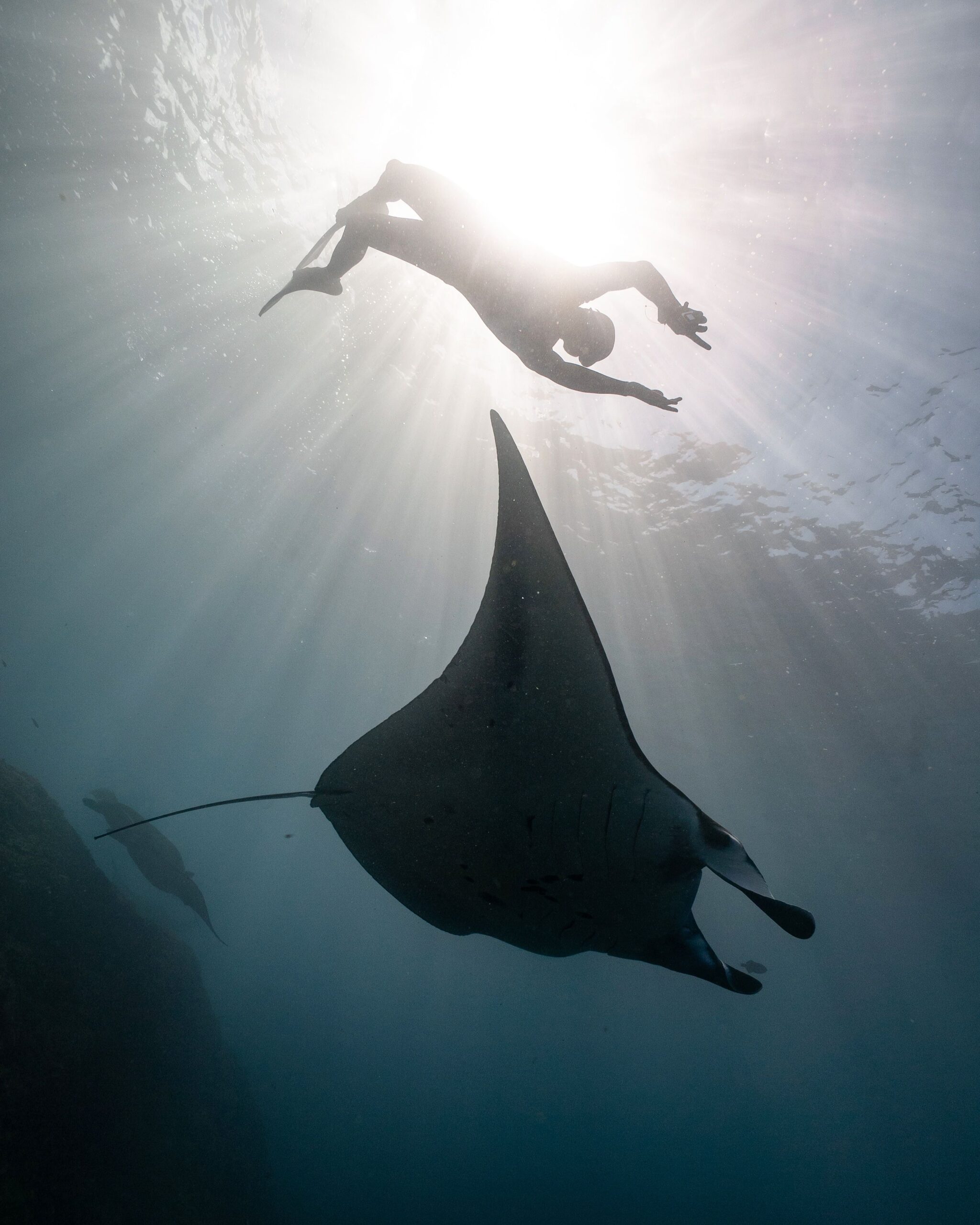
Yap’s Mi’l Channel hosts over 20 resident manta rays year-round — one of the most reliable manta encounters in the Pacific. Divers kneel on the sandy channel floor while mantas glide overhead on cleaning station visits. Day charters depart from Yap’s main dive operators.
M’il Channel, Yap · Year-round, peak Nov–May
04
Rock Island Tours & Snorkeling
The Rock Islands Southern Lagoon — a UNESCO World Heritage Site — contains over 200 limestone mushroom islands rising from a turquoise lagoon. Rock Island tours by boat visit Jellyfish Lake, hidden beaches, sea caves, and pristine snorkeling sites. Accessible to non-divers.
Rock Islands, Palau · Year-round · $100 permit required
05
WWII Wreck Diving — Chuuk
Operation Hailstone in February 1944 sank over 60 Japanese ships and aircraft in Chuuk Lagoon in three days. Today they rest in 10–60 metres — covered in coral, surrounded by reef fish, and largely intact. The Fujikawa Maru holds Zero fighters in its cargo holds. Chuuk is the world’s greatest wreck diving destination.
Chuuk Lagoon, FSM · Year-round
06
Remote Island Exploration — FSM
Pohnpei holds Nan Madol — a ruined ancient city built on a coral reef, accessible only by boat. Kosrae’s reef system is among the most pristine in Micronesia. Both islands see minimal tourism and reward charterers willing to venture beyond Palau’s well-travelled circuit.
Pohnpei & Kosrae, FSM · Year-round
DESTINATION BY DESTINATION
Where to charter in Micronesia
Palau, Chuuk, Yap, and the Federated States of Micronesia
Palau — the world’s finest dive destination
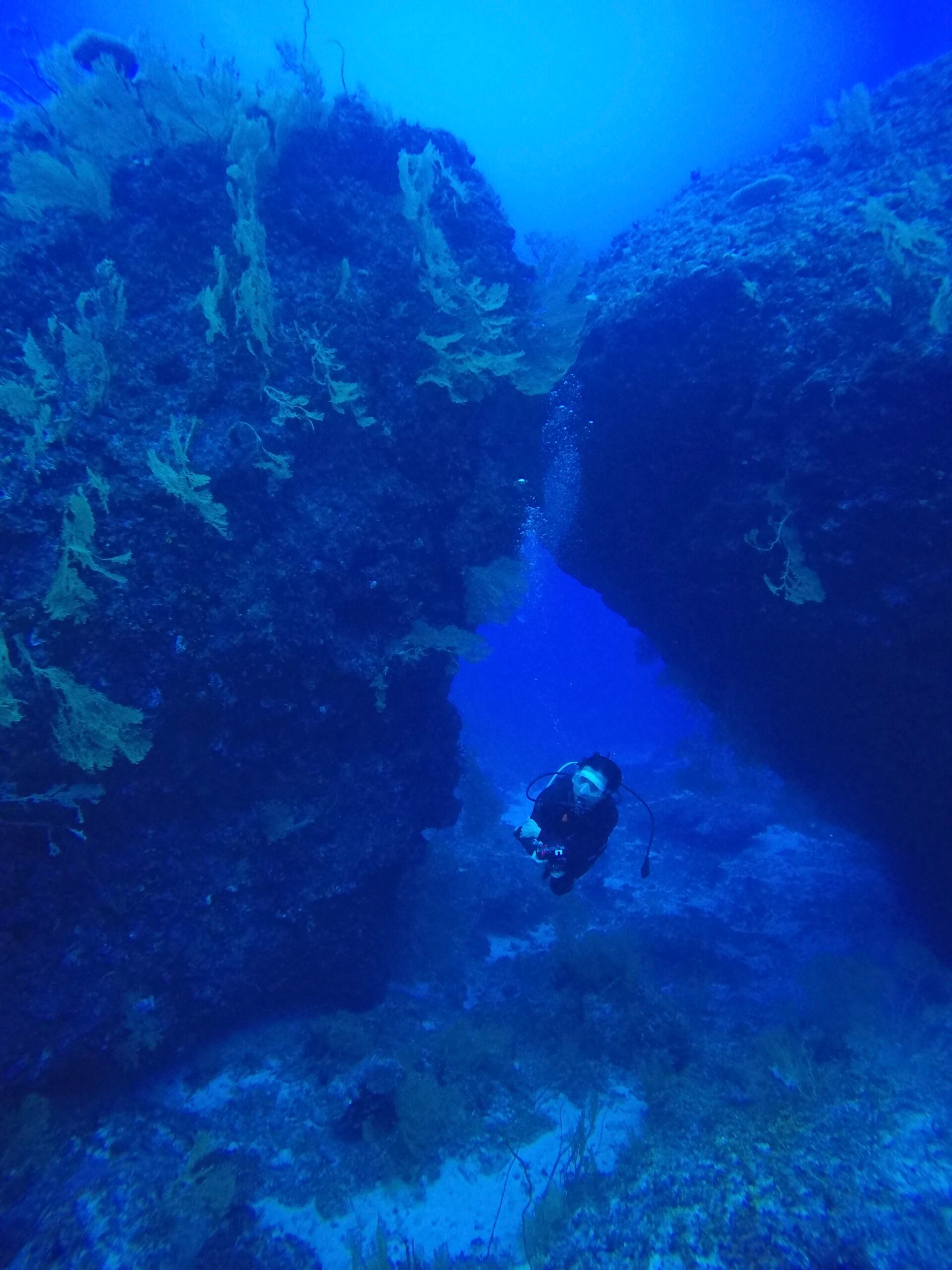
Palau sits at the intersection of the Pacific and Indian Ocean currents, where nutrient-rich upwellings support extraordinary concentrations of marine life. Blue Corner — a submerged reef plateau on Palau’s western wall — channels these currents in a way that concentrates fish in extraordinary numbers. Grey reef sharks, white tip sharks, barracuda, and Napoleon wrasse stack up in the current while divers hang on reef hooks and watch the spectacle. It is unlike any other dive in the world.
Palau declared itself the world’s first shark sanctuary in 2009. In 2015, it established the Palau National Marine Sanctuary — protecting 80% of its EEZ, 500,000 square kilometres. In 2017, Palau introduced the Palau Pledge — every visitor signs a commitment to environmentally responsible behaviour, stamped into their passport. These are not marketing gestures. Palau’s reefs are in measurably better condition than comparable Pacific reef systems, and the marine sanctuary is part of why.
Chuuk — the world’s greatest wreck diving
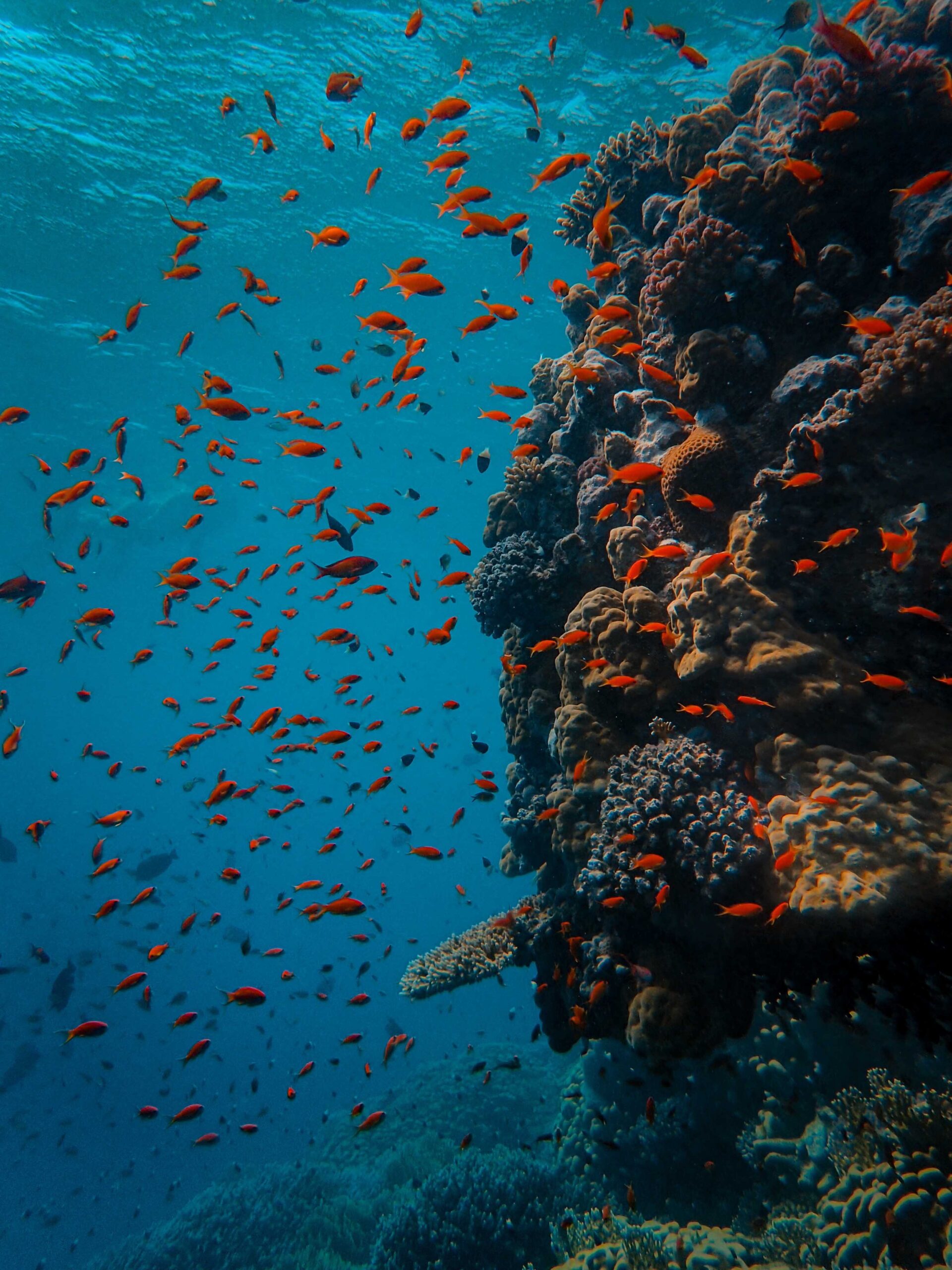
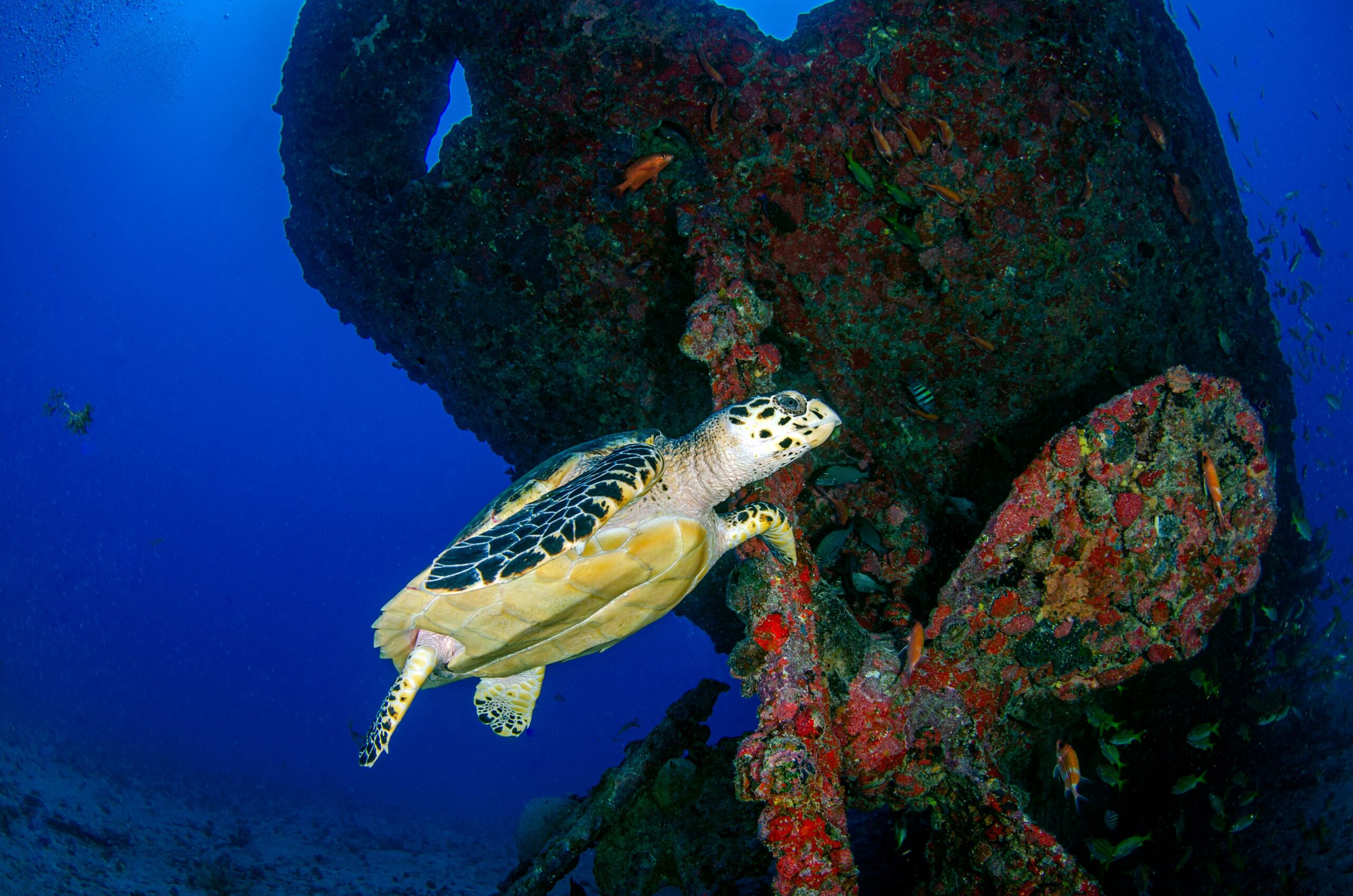
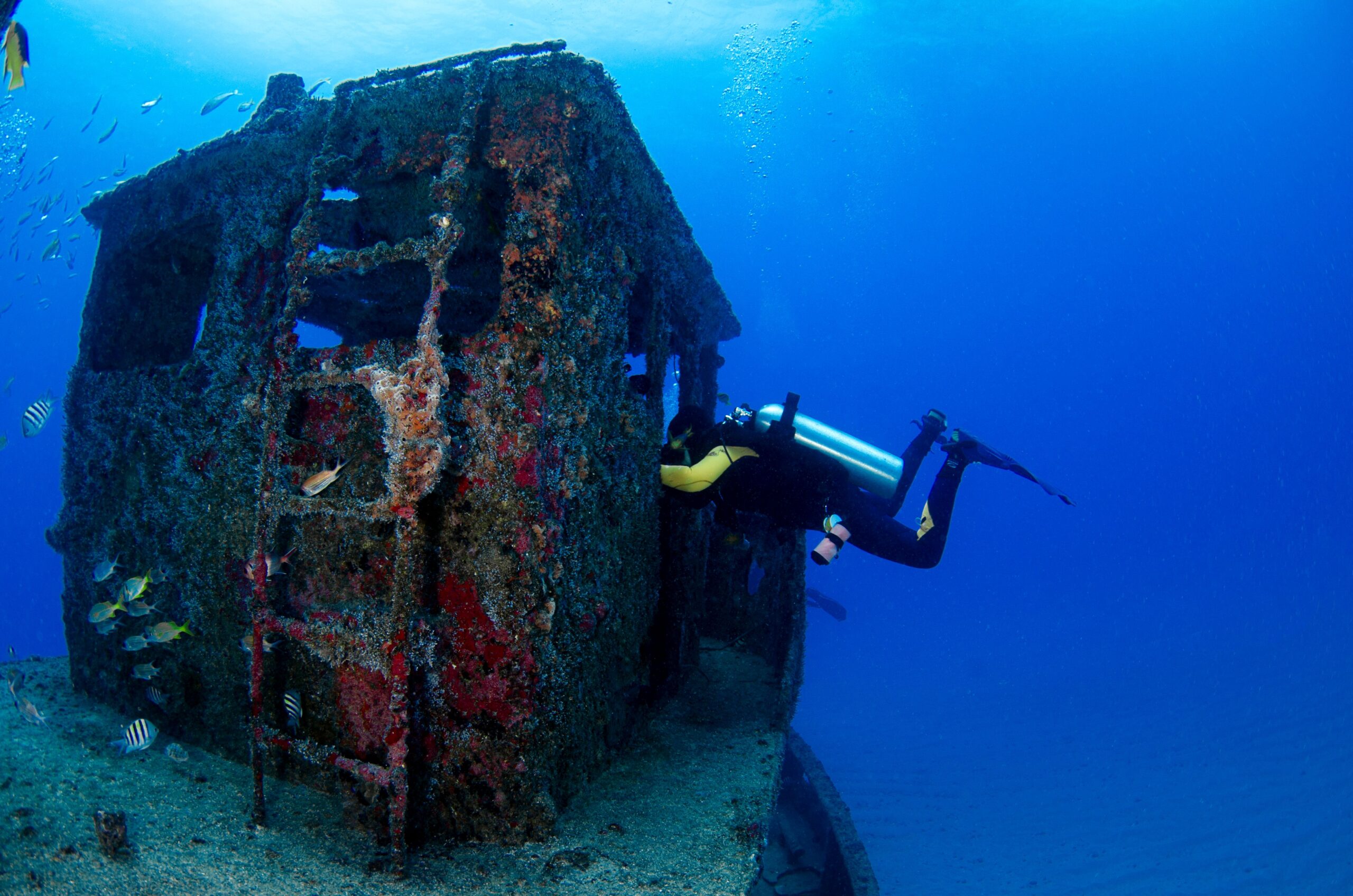
On February 17–18, 1944, US forces launched Operation Hailstone — a two-day air attack on Chuuk Lagoon that sank over 60 Japanese ships and destroyed 400 aircraft. The wrecks now rest in 10 to 60 metres of water across the lagoon, covered in decades of coral growth and home to extraordinary concentrations of reef fish. Chuuk is the world’s single greatest collection of diveable WWII wrecks.
The Fujikawa Maru is the most photographed — a 137-metre freighter with Zero fighter aircraft still in its cargo hold, engine room intact, and massive schools of fish surrounding the superstructure. The Shinkoku Maru’s bridge is covered in black coral. The San Francisco Maru holds three tanks on its deck. Chuuk’s wrecks range from recreational depth (10–30m) to technical depth (40–60m) — the lagoon rewards divers at every certification level.
Yap — mantas, mandarin fish, and stone money
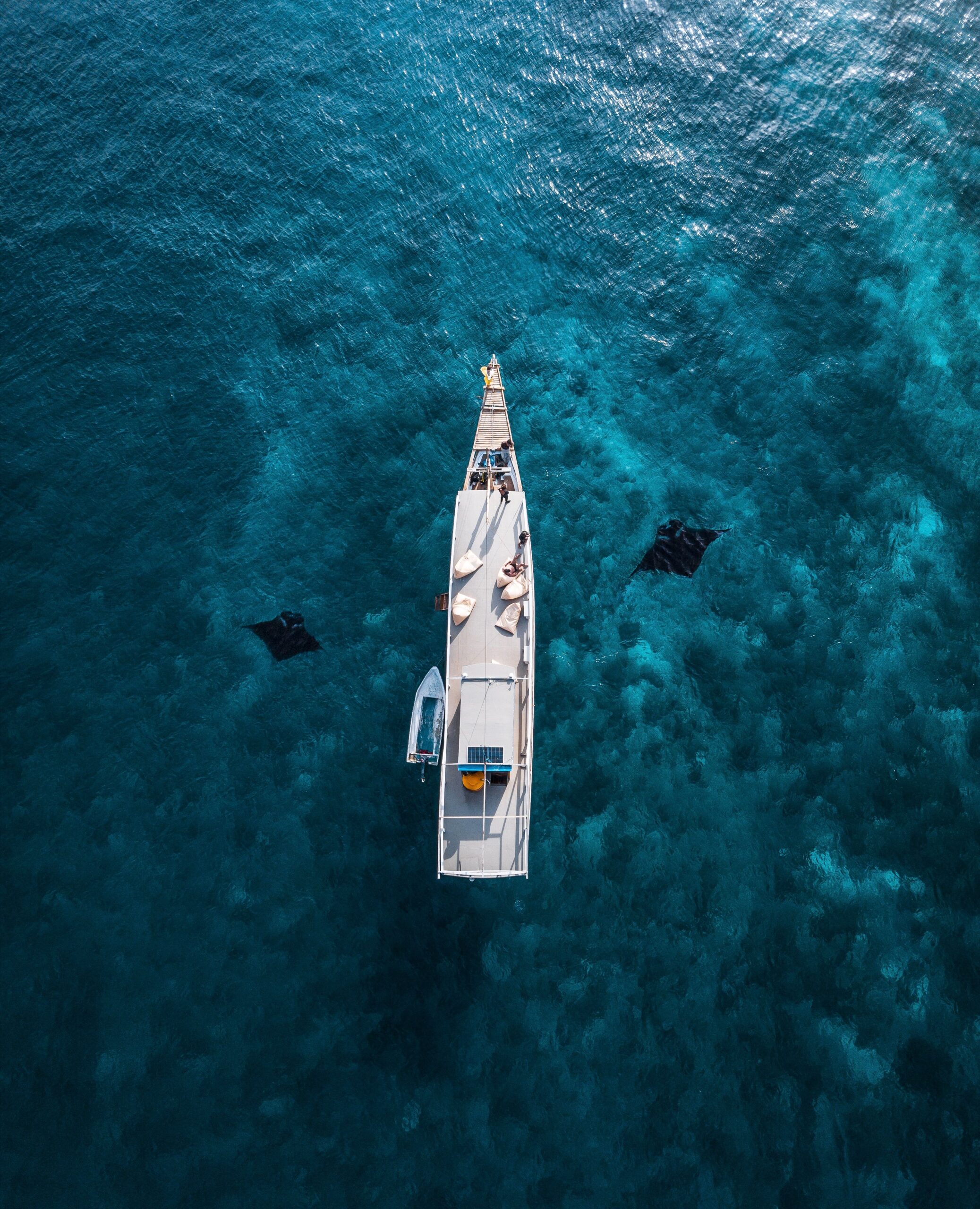
Yap is one of the Pacific’s great specialist dive destinations. Mi’l Channel hosts over 20 resident manta rays that visit cleaning stations with extraordinary regularity — divers kneel on the sand while mantas glide at arm’s length overhead, a routine encounter by Yap standards. The same channel is one of the few places in the world to reliably see mandarin fish — tiny, brilliantly coloured fish that emerge at dusk to mate on the rubble beds.
Beyond the diving, Yap maintains one of the most intact traditional cultures in Micronesia. Rai — traditional stone money, carved discs up to three metres in diameter quarried from Palau — still line village paths and serve as a functioning (though non-physical) currency system. Village protocols are strictly observed; your charter operator will brief you on appropriate behaviour ashore.
Pohnpei & Kosrae — Micronesia’s quiet corners
Pohnpei holds Nan Madol — a ruined ancient city built entirely on artificial islands in a tidal lagoon, connected by canals and constructed from massive basalt columns. Sometimes called the Venice of the Pacific, Nan Madol was the ceremonial and political centre of the Saudeleur dynasty and is accessible only by boat from Pohnpei’s coast. It is one of the most significant archaeological sites in the Pacific and sees remarkably few visitors.
Kosrae — the island furthest east in the FSM — has some of the most pristine coral reefs in Micronesia. Minimal tourism, clear water, and healthy hard coral structure make it a destination for divers seeking the uncrowded alternative to Palau. Both islands are self-sufficient charter destinations; most visitors combine one with a Palau or Chuuk trip.
PLANNING YOUR TRIP
Season guide
Micronesia’s charter calendar — year-round diving with some seasonal variations
| Month | Palau | Chuuk | Yap | Notes |
|---|---|---|---|---|
| January | Excellent — dry season | Good visibility | Manta peak season | Best overall month for Micronesia |
| February | Peak — best visibility | Excellent | Manta peak | Chuuk anniversary of Operation Hailstone |
| March | Excellent | Excellent | Manta peak | Dry season holds across region |
| April | Very good | Good | Good — mantas reliable | Transitional — excellent value |
| May | Good — wetter | Good | Good | Green season begins in Palau |
| June | Good — lush, fewer crowds | Good | Good | Palau quieter — best value |
| July | Good | Good | Good | Consistent conditions throughout |
| August | Good | Good | Good | Typhoon risk increases in north |
| September | Variable — typhoon risk | Variable | Variable | Peak typhoon season — check forecasts |
| October | Improving | Improving | Improving | Conditions stabilising late month |
| November | Excellent — dry season returns | Good visibility | Manta season opens | One of the best months to visit |
| December | Excellent | Excellent | Mantas reliable | Peak season begins — book ahead |
PRACTICAL INFORMATION
Know before you go
Essential information for planning a Micronesia charter
Entry — Palau & FSM
Palau grants a 30-day visa on arrival free of charge for most nationalities with a valid passport and onward ticket. US citizens enjoy Compact of Free Association status — no visa required. The Federated States of Micronesia (Yap, Chuuk, Pohnpei, Kosrae) similarly admits US citizens without a visa under the Compact. Most other nationalities receive a 30-day entry permit on arrival. Check the Palau government website for the current entry requirements for your passport.
The Palau Pledge & Rock Islands permit
Since 2017, every visitor to Palau signs the Palau Pledge — a commitment to environmentally responsible behaviour — stamped into their passport on arrival. It is not optional. The Rock Islands permit (USD $100 for 10 days) is required for all water activities in the Rock Islands Southern Lagoon, including Jellyfish Lake. Charter operators include this in their pricing or arrange it on your behalf — confirm at booking. No chemical sunscreen is permitted in Jellyfish Lake or on any Palau reef — bring mineral sunscreen.
Currency & costs
Both Palau and the FSM use the US Dollar — no currency exchange required for American visitors. Two-tank dive charters in Palau average USD $150–200 per person. Multi-day dive packages (10 dives over 5 days) run USD $600–800. Liveaboard charters in Palau and Chuuk run USD $3,000–6,000 per person per week. Equipment rental is approximately USD $30–40 per day for full gear. Nitrox (enriched air) is available at most Palau operators for an additional USD $10–15 per tank.
Dive certification requirements
Most Palau day dive sites — including Blue Corner — are accessible to Open Water certified divers, though strong current experience is highly recommended before diving Blue Corner. Chuuk’s shallower wrecks (10–30m) require Open Water certification; the deeper wrecks and penetrations require Advanced Open Water or higher. Chandelier Cave in Palau and the interior holds of Chuuk wrecks require a cavern or wreck penetration specialty. Yap’s manta dives are suitable for all levels.
Getting there
Palau (Koror/Babeldaob) is served by United Airlines from Guam and Manila, Korean Air from Seoul, and Philippines Airlines from Manila. From the US, the most common routing is via Guam or Manila. Chuuk is served by United Airlines’ Island Hopper — a twice-weekly service from Honolulu to Guam that stops at Johnston Atoll, Majuro, Kwajalein, Kosrae, Pohnpei, and Chuuk. This is a long routing — allow 2 days of travel each way. Yap is served from Guam. Flights book up well in advance for peak season (November–March).
Typhoon season
The western Pacific typhoon season runs June through November, with peak risk August through October. Palau sits south of the main typhoon track and is less affected than Yap, Chuuk, or Pohnpei — but typhoon risk exists across Micronesia in peak season. Most dive operators maintain operations year-round but can cancel if conditions deteriorate. Travel insurance that covers weather cancellation is strongly recommended for Micronesia bookings in the June–November window.
PLANNING YOUR CHARTER
How to find a Micronesia charter operator
Micronesia has no major affiliate booking platforms — the most reliable approach is booking directly with established operators
Unlike Hawaii or the Whitsundays, Micronesia’s charter market does not operate through large booking aggregators. The established operators — particularly in Palau — have direct booking systems, transparent pricing, and decades of experience managing the logistics that make a Palau dive trip work. The Palau Visitors Authority maintains a vetted directory of licensed operators. Below are the two most consistently recommended Palau operators across the international dive community.
Sam’s Tours — Palau
Palau’s most award-winning eco-adventure tour company — scuba diving, snorkeling, Rock Island tours, and kayak trips from Koror. Custom-built boats with VHF radios, emergency oxygen, and USCG-licensed captains. The largest operator in Palau, running 8+ boats daily to all major sites including Blue Corner, German Channel, and Jellyfish Lake.
samstours.com →Fish ‘n Fins — Palau
Palau’s premier dive shop since 1972 — over 50 years operating in Palau’s waters. Also operates the Ocean Hunter liveaboard fleet for extended Palau and Chuuk itineraries. Small group boat policy — no piling divers onto overcrowded boats. Hotel and dive packages available.
fishnfins.com →OFFICIAL & CONSERVATION RESOURCES
Micronesia’s marine authorities
Government, conservation, and UNESCO bodies governing Micronesia’s protected waters
Palau Visitors Authority
Official Palau tourism authority — licensed operator directory, Rock Islands permit information, the Palau Pledge, and current entry requirements for all nationalities.
Palau National Marine Sanctuary
The management authority for Palau’s 500,000 sq km marine sanctuary — one of the largest fully protected marine areas on earth. Scientific data and conservation guidelines.
UNESCO — Rock Islands Southern Lagoon
World Heritage listing for Palau’s Rock Islands — the scientific and conservation documentation for one of the Pacific’s most significant marine ecosystems.
Federated States of Micronesia Government
Official FSM government portal — entry requirements for Yap, Chuuk, Pohnpei, and Kosrae. Visa and Compact of Free Association information for US and international visitors.
Coral Triangle Initiative
The regional body managing the Coral Triangle — the global centre of marine biodiversity spanning Micronesia, the Philippines, Indonesia, PNG, Solomon Islands, and Timor-Leste.
SPREP — Pacific Environment Programme
The Secretariat of the Pacific Regional Environment Programme — marine protected area data, ocean health research, and reef conservation across all of Micronesia.
EXPLORE MORE REGIONS
More from Oceania Charters
HAWAII
Hawaii
Kona sport fishing, whale watching, Nā Pali Coast →
AUSTRALASIA
Australasia
Whitsundays sailing, Milford Sound, PNG diving →
POLYNESIA
Polynesia
Bora Bora, Tonga whale swimming, Cook Islands →
MELANESIA
Melanesia
Fiji sailing, Vanuatu outer islands, Solomon Islands →
Or return to the Oceania Charters homepage to explore all five regions on the interactive map.
Ready to plan a Micronesia charter?
The Palau Visitors Authority maintains a directory of all licensed charter and dive operators in Palau. For Yap and Chuuk, the FSM government portal lists registered operators by island. Both are the most reliable starting points for planning a Micronesia trip.