Hawaii,
America’s Pacific frontier.
Six volcanic islands anchored in the central Pacific — Hawaii is the most accessible deep-water charter destination in the world for North American anglers and ocean adventurers. No passport. Direct flights from every major US city. World-class fishing, whale watching, and coastline unlike anywhere else in the country.
93+
charter operators across the islands
6
major islands, each a different charter character
No. 1
Pacific Blue Marlin fishery — Kona coast
12
months of charter activity, year-round
THE NORTH AMERICAN ADVANTAGE
The closest Oceania charter destination to the US mainland
Hawaii is Oceania’s most accessible region — and the natural starting point for North American charterers
No passport required
Hawaii is a US state. American citizens travel on a driver’s licence. No customs, no ESTA, no international arrivals processing.
Direct domestic flights
Non-stop flights from LAX, SFO, SEA, PHX, DFW, ORD, JFK, and most major US hubs to Honolulu, Maui, Kona, and Kauai.
US-regulated charter fleet
All commercial charter vessels operate under US Coast Guard regulations. USCG-licensed captains, Coast Guard-approved safety equipment, federal inspection standards.
USD, English, familiar infrastructure
Pay in US dollars, communicate in English, and book through the same platforms you’d use at home. Credit cards accepted everywhere.
Hawaii sits at the crossroads of the Pacific, its deep ocean trenches rising abruptly to volcanic shores. This underwater topography — blue water close inshore, no continental shelf to cross — means charter boats reach productive fishing grounds within minutes of leaving harbour. The same geography that makes the Big Island’s Kona coast the world’s premier Blue Marlin fishery also creates the warm, sheltered waters that draw thousands of humpback whales to Maui each winter.
For North American travelers, Hawaii sits at a rare intersection: a world-class charter destination that requires no international preparation. It is the Pacific’s flagship region in the Oceania Charters guide — and the natural first stop for any American planning their first Pacific ocean adventure.
WHAT THE WATER OFFERS
Charter types across the archipelago
Six distinct charter experiences — each available across multiple islands
01
Deep Sea Sport Fishing
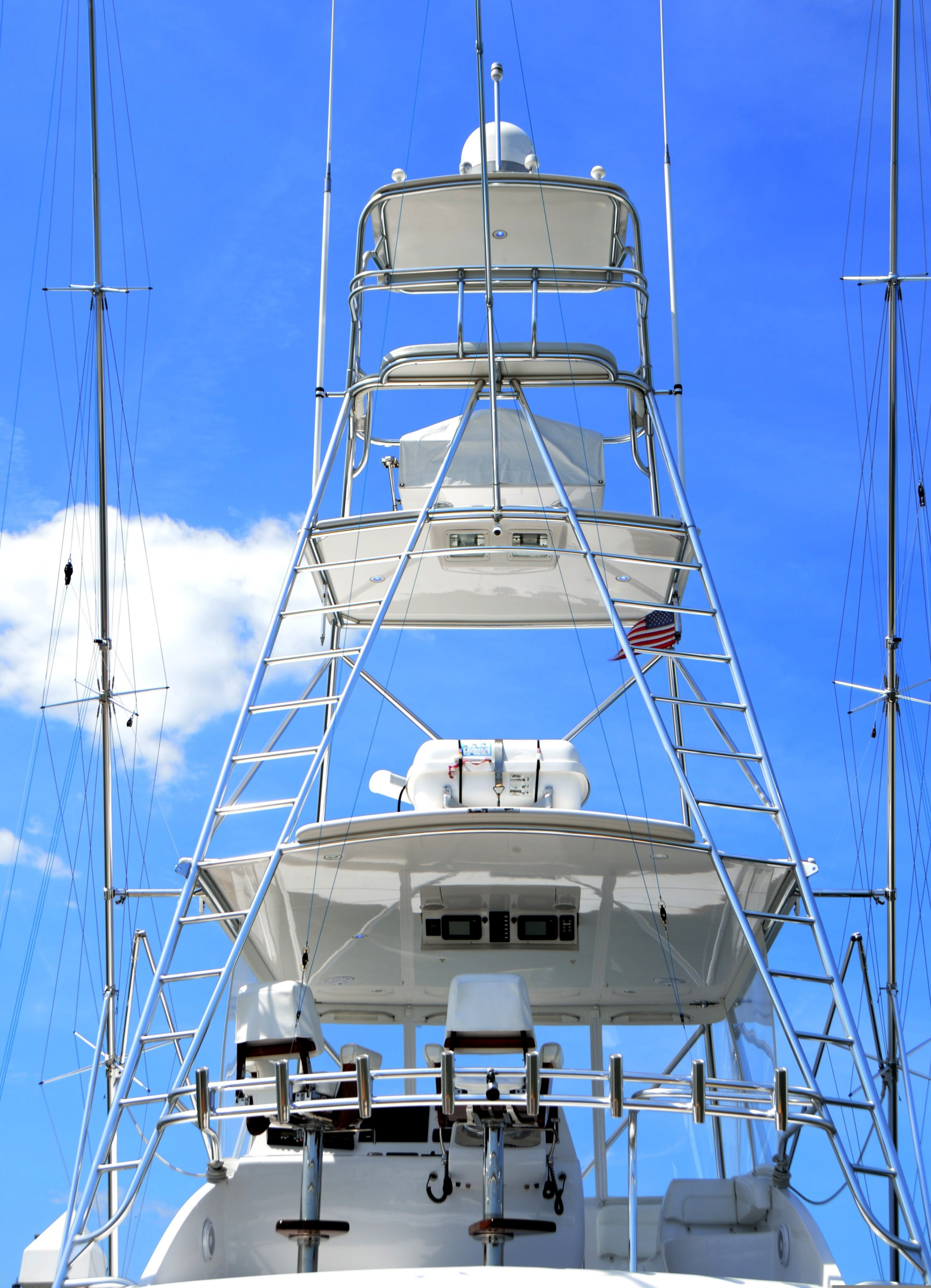
Hawaii’s signature charter. Kona’s steep underwater topography puts Pacific Blue Marlin within minutes of the harbour. Half-day, full-day, and shared sportfishing trips run year-round from multiple islands.
Best island: Big Island (Kona) · Peak: June–September
02
Whale Watching
An estimated 10,000 North Pacific humpback whales migrate to Hawaii’s warm waters each winter. Naturalist-led tours with hydrophones depart from Maui, Kauai, and the Big Island, December through April.
Best island: Maui · Season: December–April
03
Nā Pali Coast Tours
Kauai’s 17-mile sea cliff coastline is accessible only by boat or a demanding permit trail. Catamarans and zodiac rafts explore sea caves, hidden beaches, and waterfalls inaccessible by any road.
Kauai only · Best conditions: May–September
04
Snorkeling Expeditions
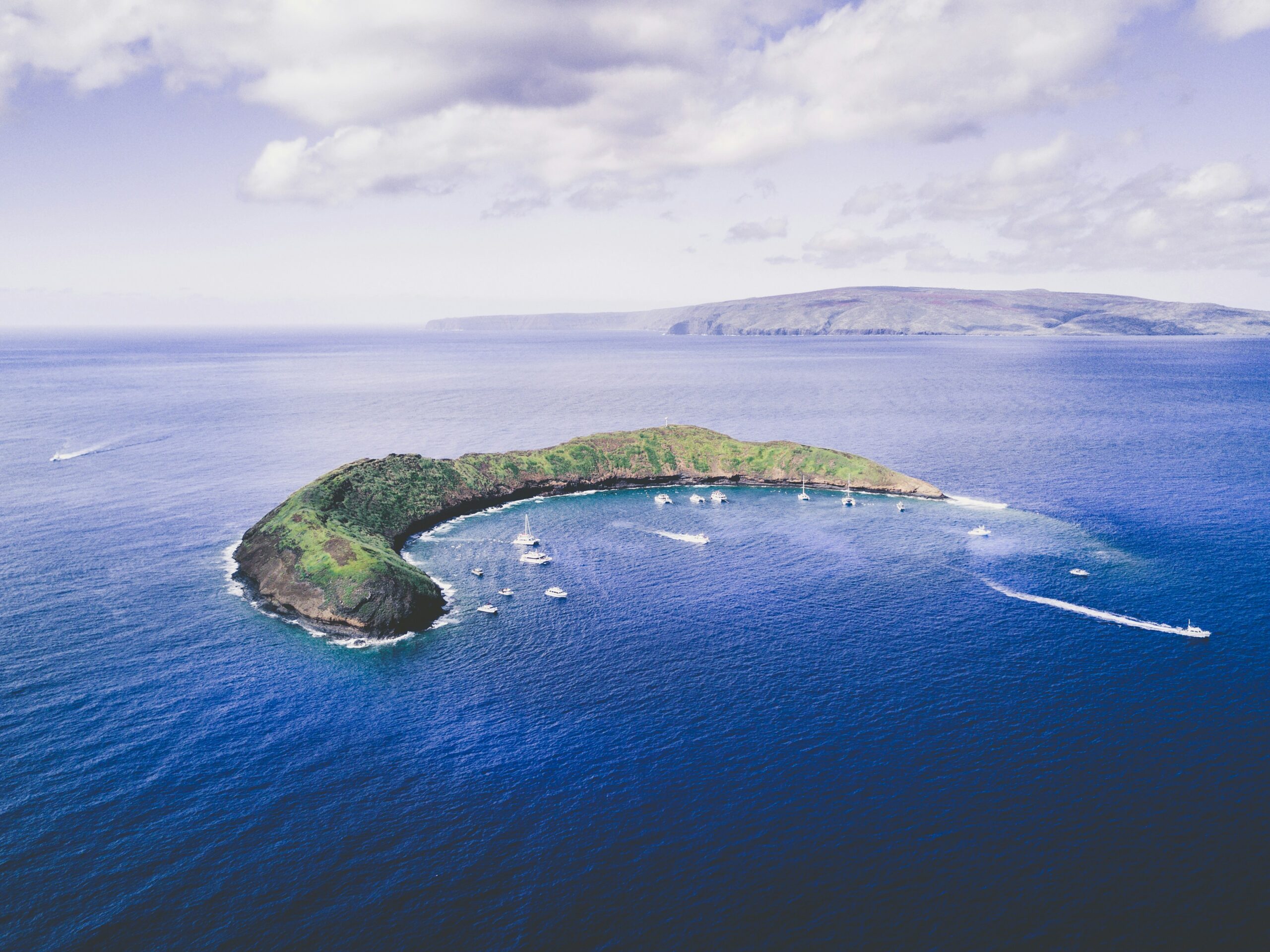
Molokini Crater — a partially submerged volcanic caldera off Maui — offers visibility regularly exceeding 100 feet. Kona’s coast delivers manta ray night dives and coral reef excursions year-round.
Best islands: Maui, Big Island · Year-round
05
Sunset & Dinner Sails
Year-round catamaran sunset cruises operate from all major harbours. Waikiki runs two-hour cocktail sails nightly. Maui’s dinner charters feature plated menus and premium bars off the Ka’anapali coast.
All islands · Year-round
Browse sunset cruises →06
Dolphin & Wildlife Watching
Spinner dolphins ride the bow wave off Kona year-round. Green sea turtle encounters, manta ray night swims at Keauhou Bay, and Hawaiian monk seal sightings complete the wildlife charter picture.
Best island: Big Island · Year-round
SEASONAL HIGHLIGHT
Humpback whale watching
December through April across Maui, Kauai, and the Big Island
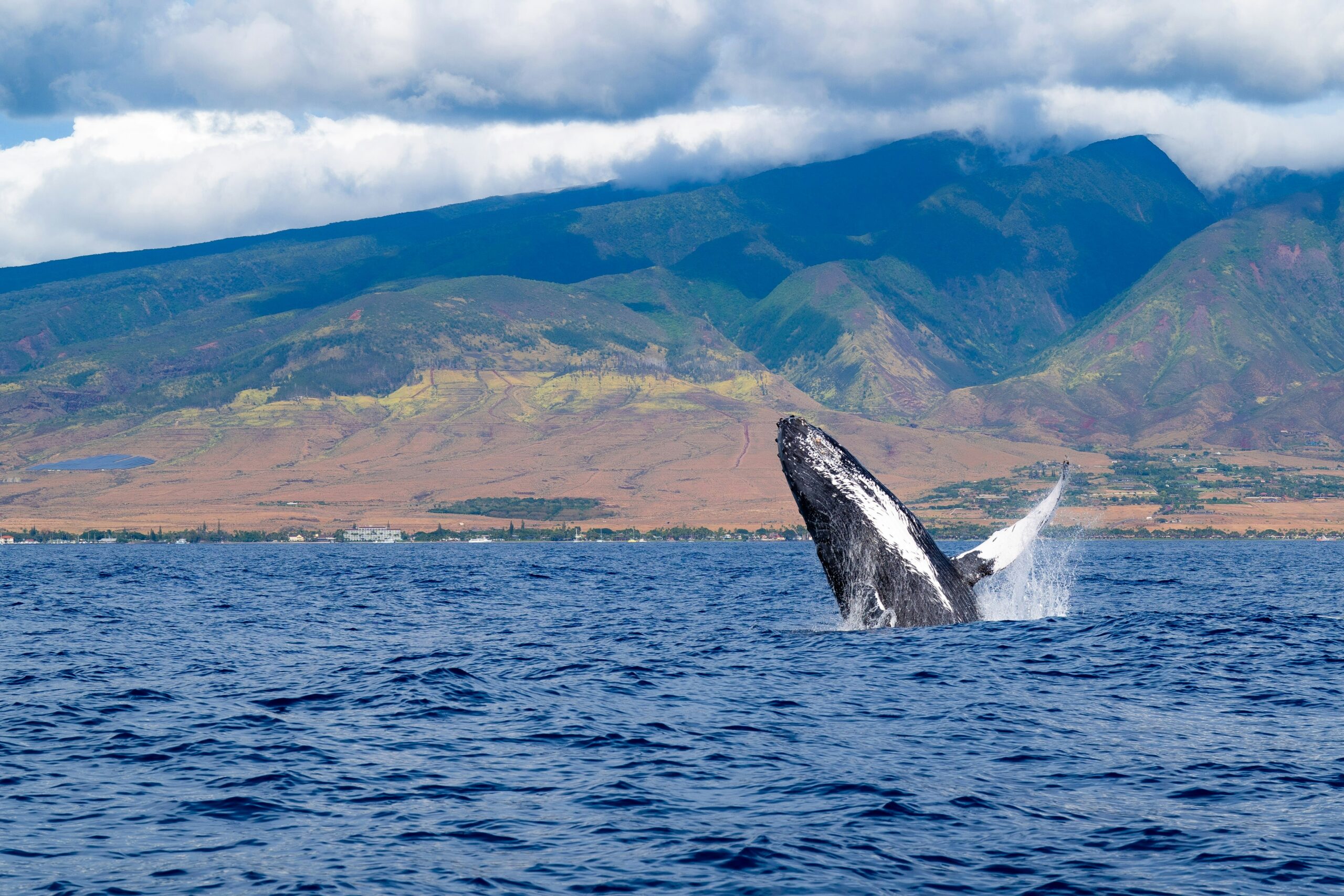
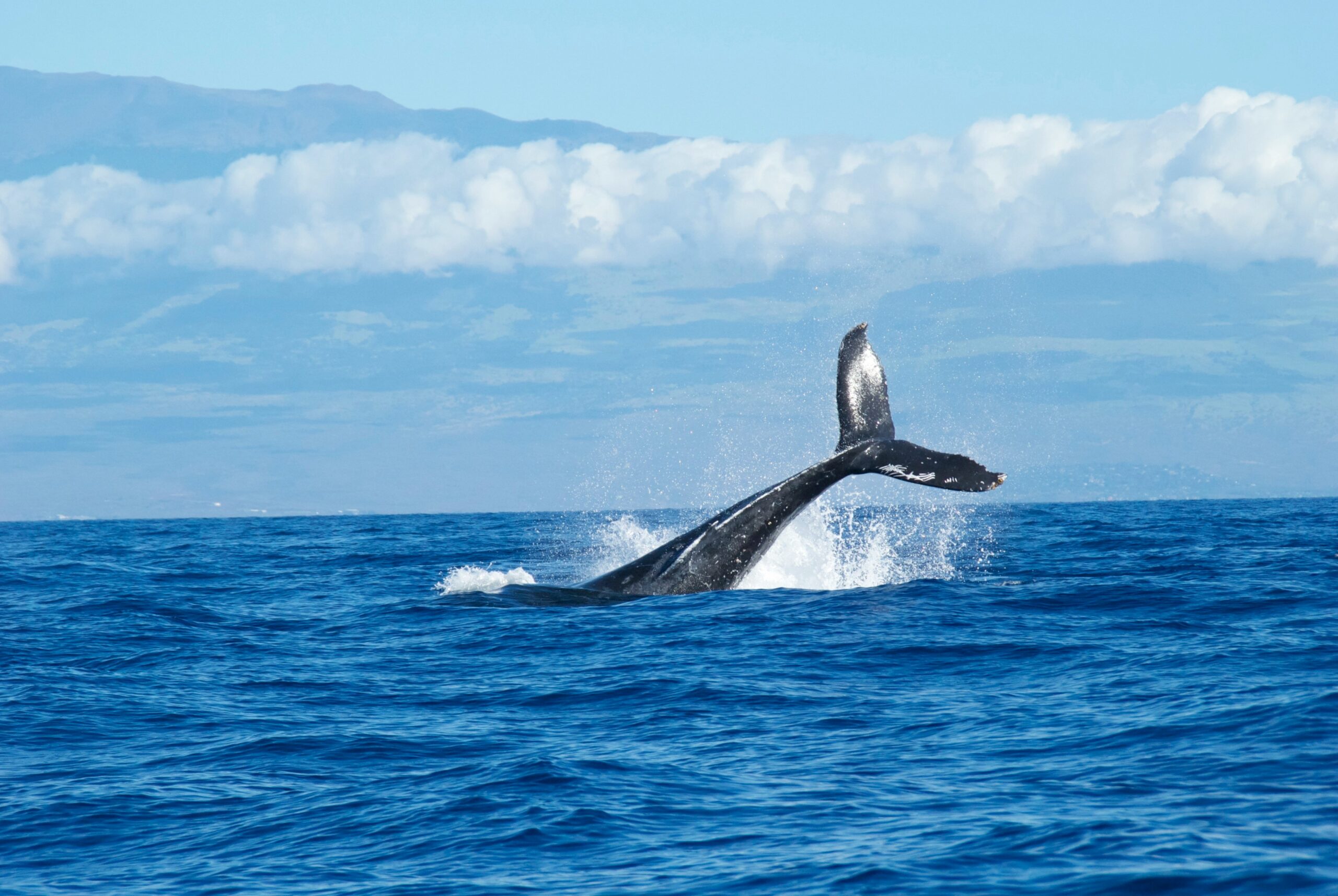
An estimated 10,000 North Pacific humpback whales (koholā) migrate up to 3,000 miles from their Alaskan feeding grounds to Hawaii’s warm, shallow waters each winter — to mate, calve, and nurse. The Hawaiian Islands Humpback Whale National Marine Sanctuary protects the waters where they gather, making Hawaii one of the few places in the United States where humpback whale encounters by boat are routine rather than exceptional.
Maui’s ‘Au’au Channel — the shallow strait between Maui, Lāna’i, and Kaho’olawe — is the epicentre. Whale watching tours from Mā’alaea Harbour run daily in season, typically two to two-and-a-half hours, with certified naturalists and hydrophones so guests can hear the males singing underwater.
Lahaina Harbour update (2026): Lāhainā Harbour was destroyed in the August 2023 wildfire. It reopened to limited commercial operations in December 2025 — eight operators held permits by June 2026 including the Pacific Whale Foundation, which resumed sailing from Lāhainā on June 1. All sailings remain daylight-only (6 am–6 pm) as the harbour still has no power. Mā’alaea on the south shore is the primary Maui charter hub for 2026.
Kauai’s whale season runs December through March from Port Allen. The Big Island’s season extends slightly later into April, making Kona one of the last reliable whale-watching locations in the state — and useful for travelers whose schedules push into spring.
Planning a whale watching trip?
Browse Hawaii whale watching & dolphin tours →ISLAND BY ISLAND
Where to charter in Hawaii
Every island has a distinct charter character — here is how to choose
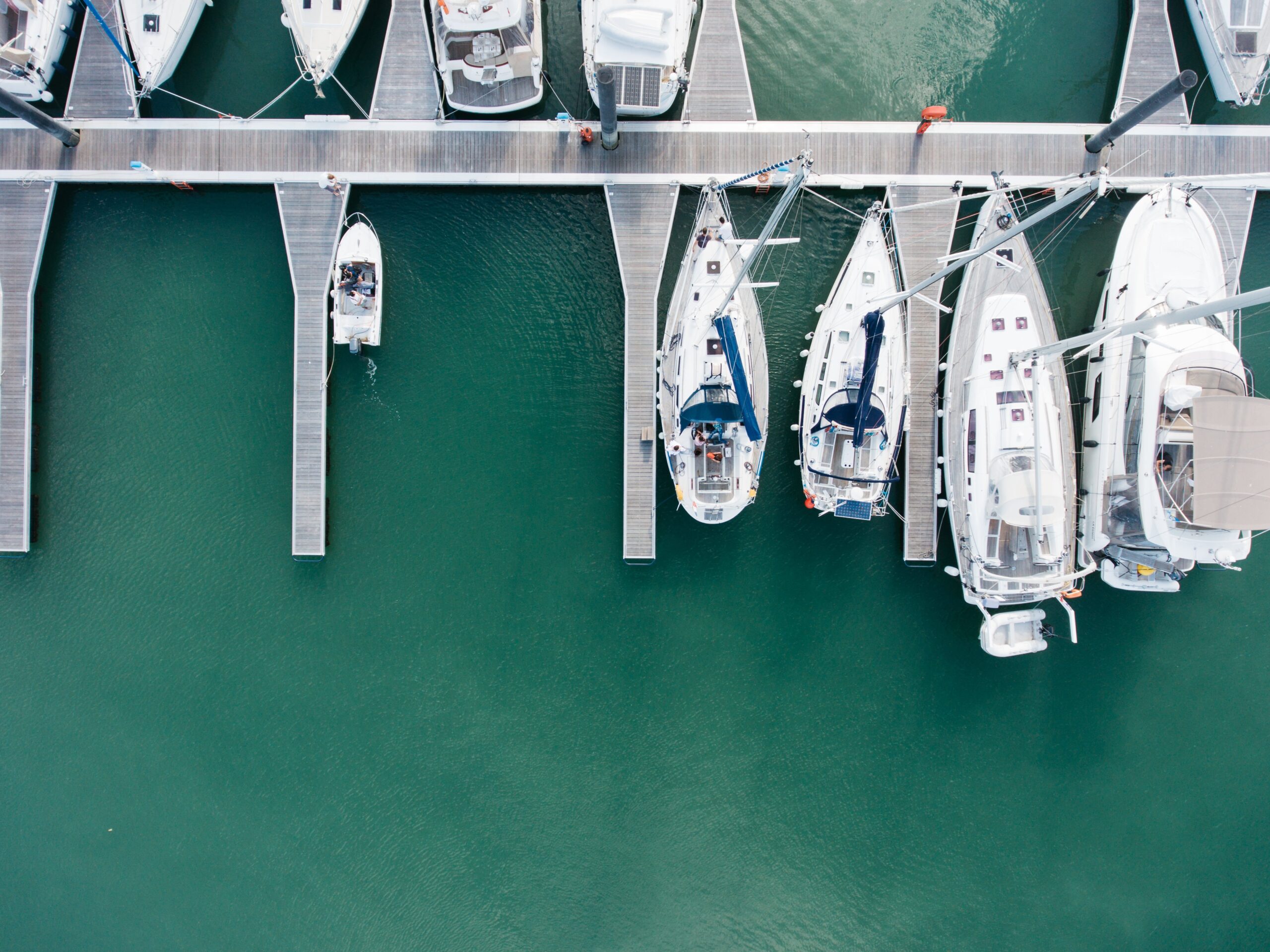
Kona — the world’s Blue Marlin capital
The Kona coast holds a rare geographic advantage: the ocean floor drops steeply close to shore, putting Pacific Blue Marlin within minutes of the harbour. This is why Kona hosts some of the world’s most prestigious billfish tournaments and remains the most recognised sport fishing address in the Pacific.
Beyond marlin, Kona delivers yellowfin tuna (ahi), ono (wahoo), mahi-mahi, and spearfish. The same coast offers manta ray night dives at Keauhou Bay and year-round spinner dolphin encounters — making the Big Island the strongest all-round charter island in the chain.
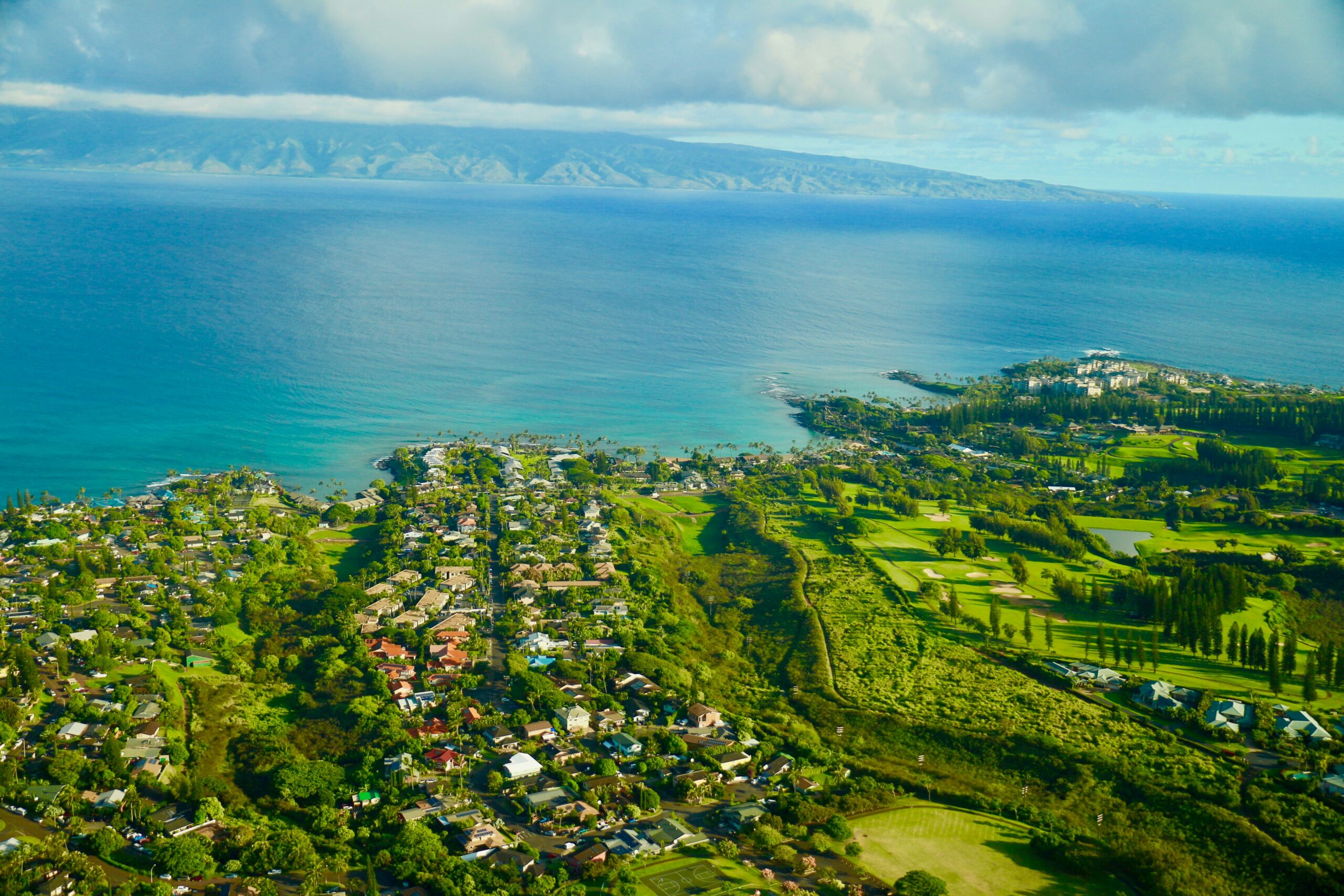
Maui — whales, Molokini, and island hopping
Maui’s ‘Au’au Channel concentrates humpback whales from December through April, making it the best single location in Hawaii for whale encounters by boat. Outside whale season, Molokini Crater draws snorkeling charters with visibility regularly exceeding 100 feet, and Lāna’i and Moloka’i day trips provide access to some of the state’s most pristine and least-visited coastlines.
Mā’alaea Harbour is the primary Maui charter base in 2026 following the Lāhainā fire. Lāhainā is partially operational — check directly with operators for current harbour access.
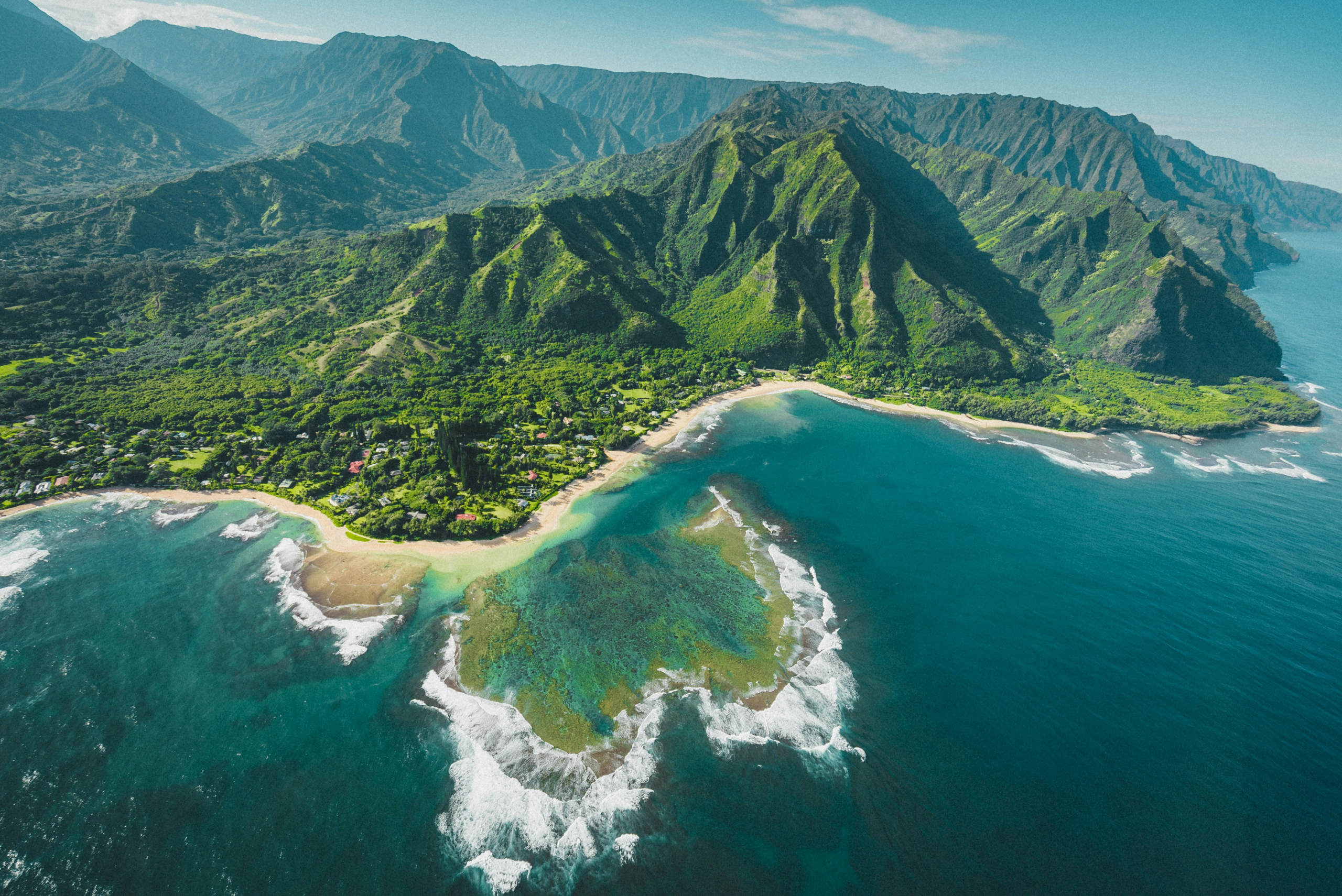
Kauai — Nā Pali and Niihau expeditions
Kauai’s defining charter experience is the Nā Pali Coast — 17 miles of sea cliffs reaching 4,000 feet, with no road access. Charter boats and zodiac rafts are the only practical way for most visitors to see Nā Pali’s sea caves, hidden beaches, and waterfall-carved valleys. Port Allen on the south shore is Kauai’s main charter base.
For advanced divers, Niihau — the privately owned island 17 miles off Kauai’s southwest coast — offers some of Hawaii’s most pristine and least-visited reef diving, accessible only by liveaboard charter.
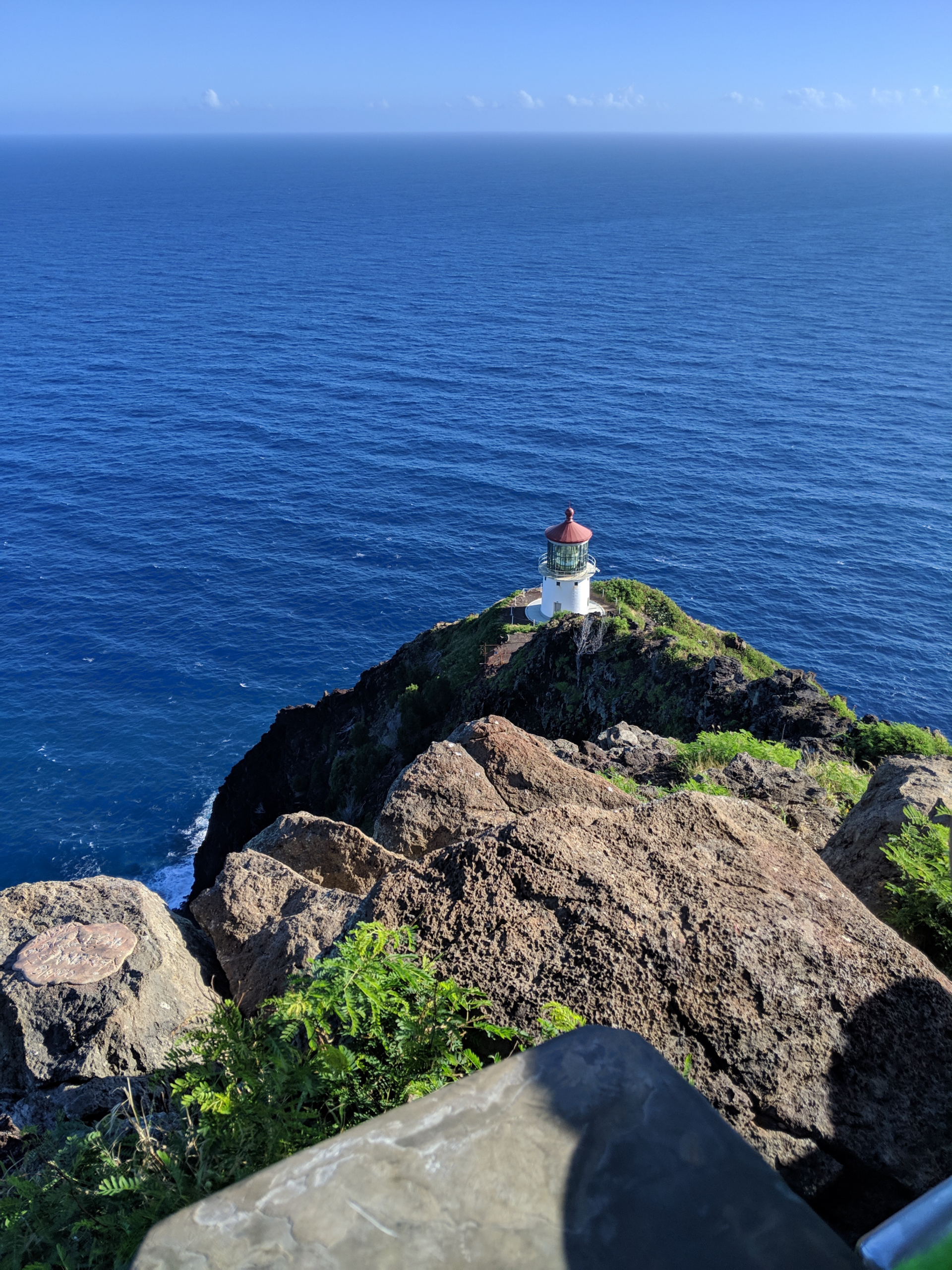
Oahu — the most accessible charter island
Oahu won’t match Kona for billfish or Maui for whale watching, but it offers the most accessible charter scene in Hawaii — the highest concentration of operators, competitive pricing, and no inter-island travel required if you’re basing yourself in Honolulu or Waikiki.
Kewalo Basin Harbour launches sport fishing, sunset, and snorkeling charters daily. Waikiki’s catamaran fleet runs two-hour sunset sails year-round. For first-time Hawaii charterers, or families combining a Waikiki vacation with a water experience, Oahu is the most straightforward starting point.
Remote islands — reached from Maui
Neither Moloka’i nor Lāna’i operates a significant independent charter fleet. Both are day-trip destinations from Maui — Lāna’i’s Hulopo’e Bay Marine Life Conservation District for snorkeling, and Moloka’i’s dramatic sea cliffs and black sand beaches for sightseeing on calmer days.
For charterers looking for a quieter, less-visited side of Hawaii, Lāna’i and Moloka’i deliver. Spinner dolphins are frequently present in the mornings off Lāna’i. Operators run small-group private charters rather than large catamaran tours, and the experience is accordingly unhurried and uncrowded.
PLANNING YOUR TRIP
Season guide
What is running, month by month
| Month | Sport Fishing | Whale Watching | Nā Pali / Sailing | Notes |
|---|---|---|---|---|
| January | Good — mahi, ono, tuna | Peak — humpbacks at maximum | Good — south swells calm | Best single month for whale watching island-wide |
| February | Good | Peak — most active season | Good | Highest humpback density of the year |
| March | Good | Peak — tapering to close | Excellent — trade winds steady | Last reliable month for Kauai whale season |
| April | Improving — early season | Final weeks — Maui and Big Island | Excellent | Crowds thin, pricing eases, good value |
| May | Good | Season ends | Excellent | Shoulder season — best combination of availability and value |
| June | Excellent — marlin season opens | None | Best — north shore seas calm | Kona Marlin Tournament Series begins |
| July | Peak — Blue Marlin | None | Peak — Nā Pali most accessible | High season — book Kona charters 6–8 weeks ahead |
| August | Peak — Blue Marlin | None | Peak | Big Island Marlin Tournament — availability tightens |
| September | Excellent — marlin, ahi, ono | None | Very good | Crowds ease, fishing remains at peak |
| October | Good | Early arrivals possible off Maui | Good | Transitional — north swells begin building |
| November | Good | Season begins — Maui | Variable | First humpbacks sighted; overlap with decent fishing |
| December | Good | Season underway | Variable — north swells arriving | Unique window to book both fishing and whale watching in one trip |
OFFSHORE SPECIES
What you’ll catch in Hawaii
The offshore gamefish that define Hawaii sport fishing
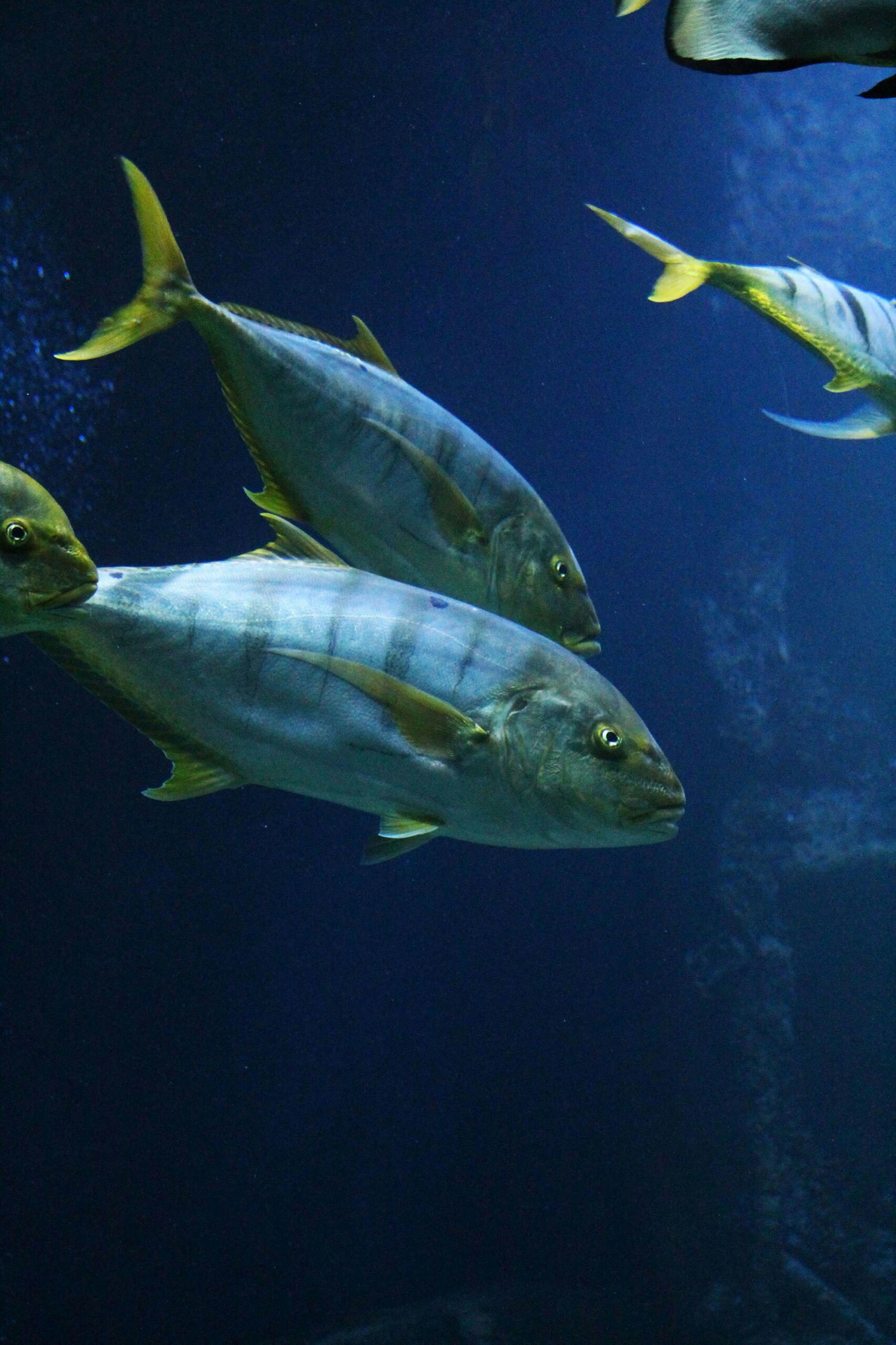
Pacific Blue Marlin
The species that defines Kona. Blues averaging 200–400 lbs are routine; granders (1,000+ lbs) are landed here more than anywhere else in the Pacific. Peak season June through September.
Yellowfin Tuna (Ahi)
The most prized eating fish in Hawaii. Ahi averaging 50–150 lbs are caught year-round, peaking spring through autumn. Among the finest sashimi-grade tuna in the world.
Ono (Wahoo)
Hawaii’s fastest offshore species, named ono — Hawaiian for “delicious” — and living up to it. Good numbers throughout the year, with spring and autumn peak runs.
Mahi-Mahi (Dorado)
Abundant, acrobatic, and excellent on the table. Found near floating debris and current edges. Peaks spring through summer with fish commonly running 15–40 lbs.
Striped Marlin & Spearfish
Lighter billfish species rounding out Hawaii’s offshore lineup. Striped marlin are common winter visitors; short-billed spearfish are encountered year-round.
PRACTICAL INFORMATION
Know before you go
What every Hawaii charterer needs to know before booking
Fishing licence — new 2024 requirement
Since May 2, 2024, any visitor aged 15 or older needs a Nonresident Recreational Marine Fishing License to fish Hawaii’s ocean waters — including aboard a charter. Cost: $20 for one day, $40 for seven days, $70 for an annual licence. Children under 15 and active-duty military are exempt. Hawaii residents need no licence. Purchase online at fishing.hawaii.gov before departure.
Catch policy — what happens to the fish
Hawaii charters typically operate on a “boat keeps the catch” basis — the captain and crew retain the fish after the trip. This is standard practice and funds bait and crew costs. If eating your catch matters, confirm the policy at booking. A smaller number of operators offer “catch returned to client” arrangements for an additional fee. Fresh fish can also be purchased directly from local markets.
Marine protected areas
Hawaii has extensive protected areas where fishing is prohibited or restricted — including Hanauma Bay, Molokini Shoal, Kealakekua Bay, and the West Hawaii Regional Fishery Management Area. Licensed charter operators know these boundaries. If you plan any independent fishing, review the DLNR Division of Aquatic Resources regulations and the Hawaiian Islands Humpback Whale National Marine Sanctuary approach guidelines (100-yard minimum distance from whales).
Booking windows and availability
Kona’s top boats fill 6–8 weeks ahead during tournament windows in July and August. Maui whale watching tours book out in February at peak. Nā Pali Coast full-day catamaran trips should be booked 2–3 weeks in advance in summer. Shoulder seasons — April through May and October through November — offer the best combination of available slots and value pricing.
Sea conditions and cancellations
Hawaii’s north-facing coasts — including Nā Pali — face significant winter swells November through March. South and west-facing coasts (Kona, Mā’alaea, Port Allen) are more sheltered year-round. Operators cancel or reroute in unsafe conditions. Always read the cancellation and weather policy before confirming a booking, and avoid booking the last day of your trip for anything weather-dependent.
Tipping
Tips are a significant part of a charter crew’s income. The industry standard in Hawaii is 15–20% of the charter price for a solid trip, and 20–25% for an exceptional one. Tip the captain and mate directly at the end of the trip, in cash where possible. It is always welcome and always noticed.
OFFICIAL RESOURCES
Hawaii’s marine authorities
Government and conservation organisations governing Hawaii’s charter waters
Hawaii Fishing Licence Portal
Purchase the Nonresident Recreational Marine Fishing Licence required for all visiting anglers aged 15 and over.
DLNR — Division of Aquatic Resources
State fishing regulations, marine protected area boundaries, species size and bag limits, and gear rules by island.
Hawaii Division of Boating & Ocean Recreation
Harbour information, commercial charter operator licensing, and boating safety standards for all Hawaii waters.
Hawaiian Islands Humpback Whale National Marine Sanctuary
Sanctuary boundaries, whale approach guidelines, and research on Hawaii’s North Pacific humpback population.
Western Pacific Regional Fishery Management Council
Federal fishery management for Hawaii and the US Pacific Islands — species regulations, marine monuments, and stock data.
Pacific Whale Foundation
Non-profit ocean conservation organisation operating research-based whale watching tours from Maui and the Big Island since 1980.
INDUSTRY & CONSERVATION
Established organisations shaping Hawaii’s charter and marine conservation landscape
Hawaiian International Billfish Tournament
Running since 1959 — launched two days after Hawaii became a state — the HIBT is the tournament that established Kona’s reputation as the world’s premier Pacific Blue Marlin destination.
The Billfish Foundation
International conservation organisation promoting tag-and-release billfish fishing. Multiple top Kona charter captains hold Billfish Foundation Pacific Ocean awards for Blue Marlin and spearfish.
Sportfish Hawaii
Long-running Hawaii charter information resource covering all islands. Includes a Fish University educational section on expectations, seasickness, species, and fishing with children.
Maui Ocean Center
Hawaii’s premier marine aquarium, located in Mā’alaea Harbour — the same harbour that serves as Maui’s primary charter base. A useful primer on Hawaii’s marine life before getting on the water.
EXPLORE MORE REGIONS
More from Oceania Charters
AUSTRALASIA
Australasia
Whitsundays sailing, Milford Sound, PNG diving →
POLYNESIA
Polynesia
Bora Bora, Tonga whale swimming, Cook Islands →
MELANESIA
Melanesia
Fiji sailing, Vanuatu outer islands, Solomon Islands →
MICRONESIA
Micronesia
Palau’s Rock Islands, Chuuk wrecks, Yap mantas →
Or return to the Oceania Charters homepage to explore all five regions on the interactive map.
Ready to book a Hawaii charter?
Search verified operators across all six islands — real-time availability and direct booking with USCG-licensed captains.
Find a Hawaii Charter