Polynesia,
118 islands, one endless ocean.
The Polynesian triangle spans 10 million square miles of the central Pacific — from French Polynesia’s Society Islands and Tuamotu atolls to the whale waters of Tonga and the turquoise lagoon of Aitutaki. It is the most aspirational charter destination in Oceania, and one of the most beautiful sailing grounds on earth.
118
islands and atolls in French Polynesia alone
77
atolls in the Tuamotu Archipelago — the world’s largest coral atoll chain
No. 1
destination to swim with humpback whales — Tonga
May–Oct
peak sailing season across the region
THE CHARTER CASE FOR POLYNESIA
Why Polynesia is Oceania’s charter centrepiece
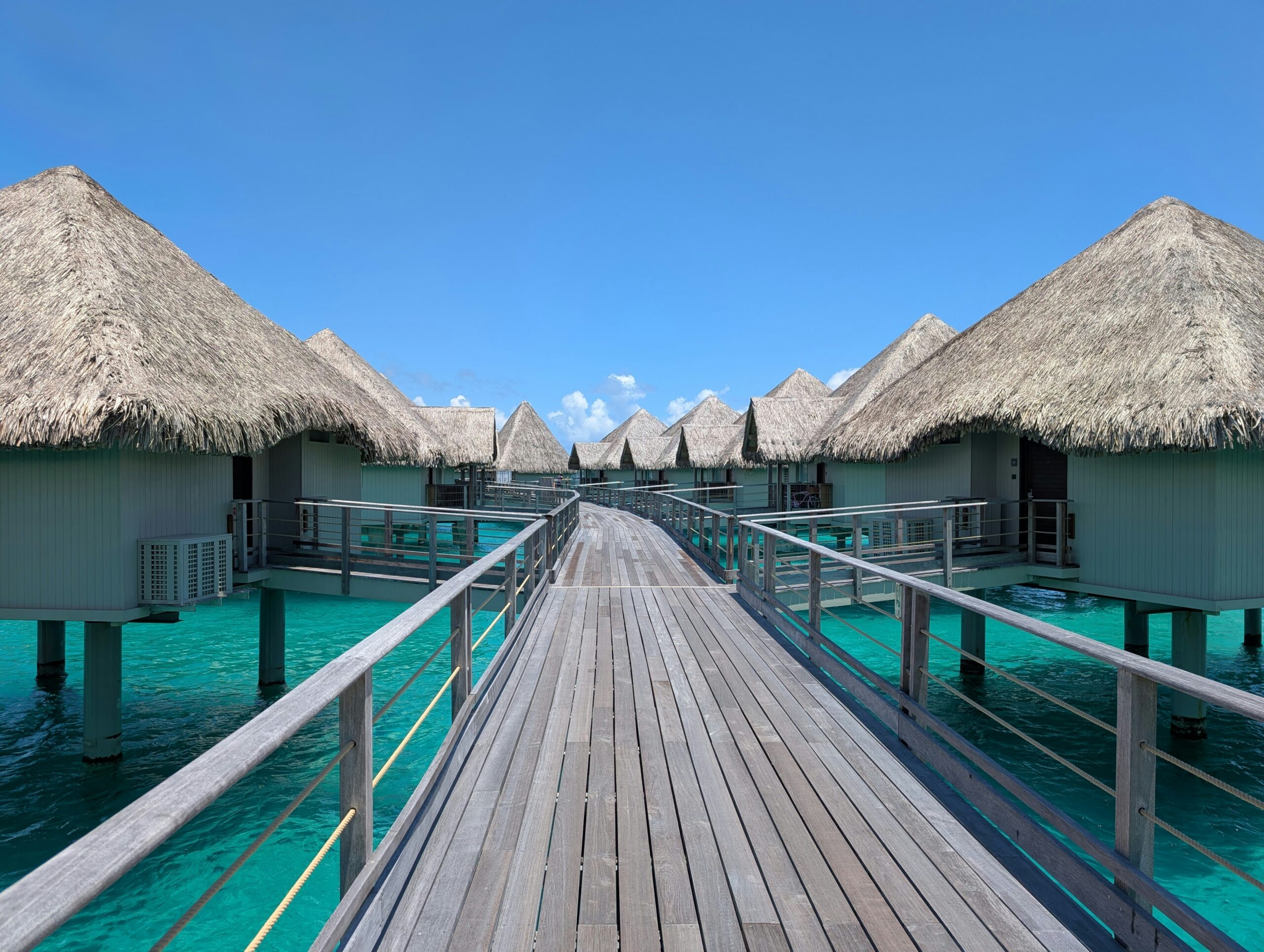
French Polynesia alone covers an ocean area the size of Western Europe, but most of its 118 islands and atolls are reachable only by boat. That geographic reality makes chartering not just an option but the defining way to explore the region. Raiatea in the Society Islands is one of the world’s premier bareboat charter bases — the convergence of steady trade winds, protected lagoons, and island-to-island passages that take days rather than hours.
Beyond French Polynesia, the Polynesian charter world extends to Tonga’s Ha’apai and Vava’u groups — remote, sparsely visited, and home to the only legally permitted humpback whale swimming encounters on the planet — and the Cook Islands’ Aitutaki lagoon, one of the most photographed anchorages in the South Pacific.
Polynesia is not a budget destination. It is, by any measure, one of the most beautiful sailing grounds on earth.
WHAT THE WATER OFFERS
Charter types across Polynesia
Sailing and ocean experiences across the Polynesian triangle
01
Bareboat Sailing
Raiatea is one of the world’s top bareboat charter bases. Steady southeast trade winds, well-charted inter-island passages, and the Society Islands circuit — Huahine, Bora Bora, Taha’a, Moorea — make this a classic self-skippered sailing ground.
Base: Raiatea, French Polynesia · Season: May–October
02
Crewed Catamaran Charters
The most popular charter format in French Polynesia — a skippered catamaran with crew, provisions, and an itinerary tailored to your group. Bora Bora, Moorea, and the outer atolls are the standard circuits, with the Marquesas for serious offshore passages.
Bora Bora, Tahiti, Moorea · Year-round
03
Snorkeling & Dive Charters
The Tuamotu Archipelago holds some of the clearest water in the Pacific. Rangiroa and Fakarava — both UNESCO biosphere reserves — offer drift dives through passes teeming with sharks, manta rays, and Napoleon wrasse. Day snorkel charters from Bora Bora’s overwater resorts are widely available.
Tuamotu Archipelago, Bora Bora · Year-round
04
Whale Swimming — Tonga
Tonga is the only country in the world where swimming with humpback whales is legally permitted under a licensed permit system. Charter boats depart from Vava’u and Ha’apai July through October, when an estimated 3,000 humpbacks gather in Tongan waters to mate and calve.
Vava’u & Ha’apai, Tonga · July–October only
05
Lagoon Day Tours
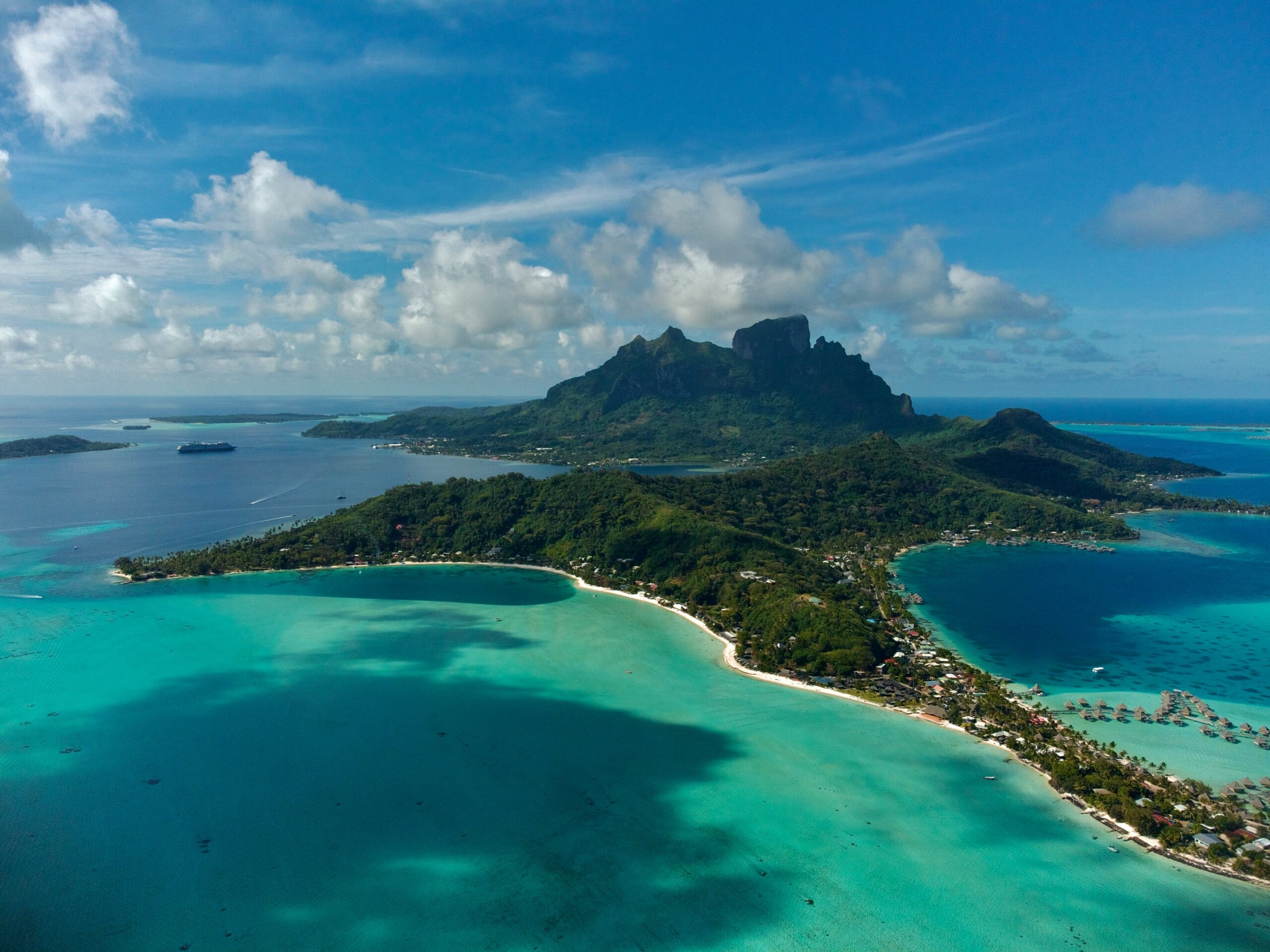
Bora Bora’s lagoon — a shallow turquoise ring surrounding Mount Otemanu — is the most visited in the Pacific. Half and full-day boat tours combine snorkeling with reef sharks and stingrays, picnic motu stops, and pearl farm visits on Taha’a.
Bora Bora, Moorea · Year-round
06
Offshore Passages
For experienced blue-water sailors, Polynesia offers some of the Pacific’s great offshore passages — the Marquesas to the Tuamotos, Tahiti to the Cook Islands, and the classic Coconut Milk Run from Panama. Several charter companies offer skipper-guided offshore legs.
French Polynesia, Cook Islands · Season: May–October
DESTINATION BY DESTINATION
Where to charter in Polynesia
Four distinct charter worlds within the Polynesian triangle
The Society Islands, Tuamotu & Marquesas
French Polynesia divides into three distinct charter worlds. The Society Islands — Tahiti, Moorea, Bora Bora, Raiatea, Huahine, Taha’a — form the classic charter circuit: steady trades, short island-to-island passages, and some of the most photographed anchorages in the world. Raiatea’s charter marina is the base for most bareboat operators and is internationally recognised as one of the top five sailing bases globally.
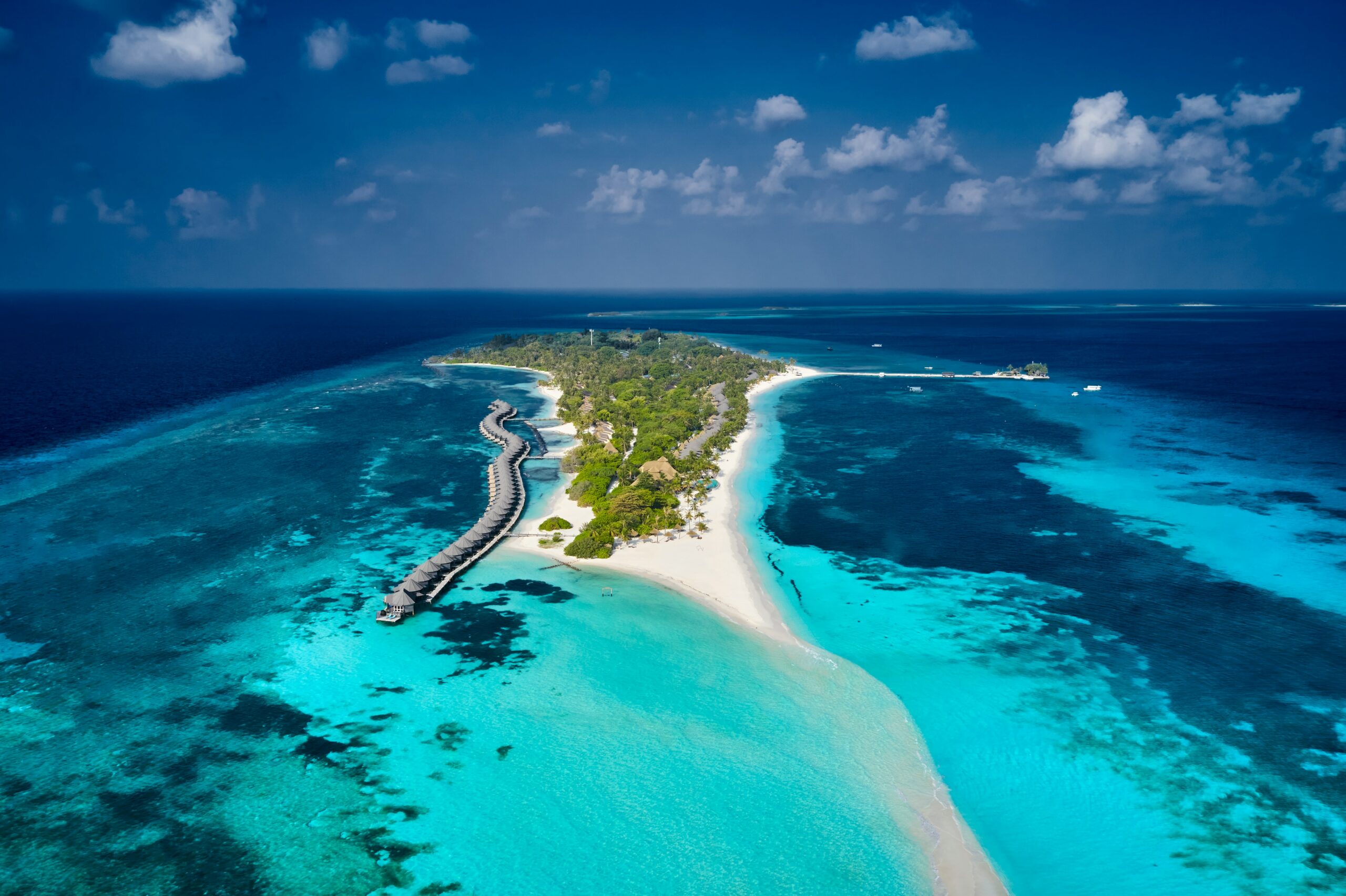
The Tuamotu Archipelago — 77 coral atolls stretching 1,000 miles — is the Pacific’s great frontier for sailing and diving. Rangiroa’s Blue Lagoon, Fakarava’s biosphere reserve, and Tikehau’s pink sand beaches are reachable only by charter or inter-island ferry. The Marquesas, another 900 miles northeast, are the most remote and dramatic — black basalt cliffs, Polynesia’s oldest culture, and the anchorage at Hanavave on Fatu Hiva is frequently cited as the world’s most beautiful.
Moorea — Tahiti’s sister island
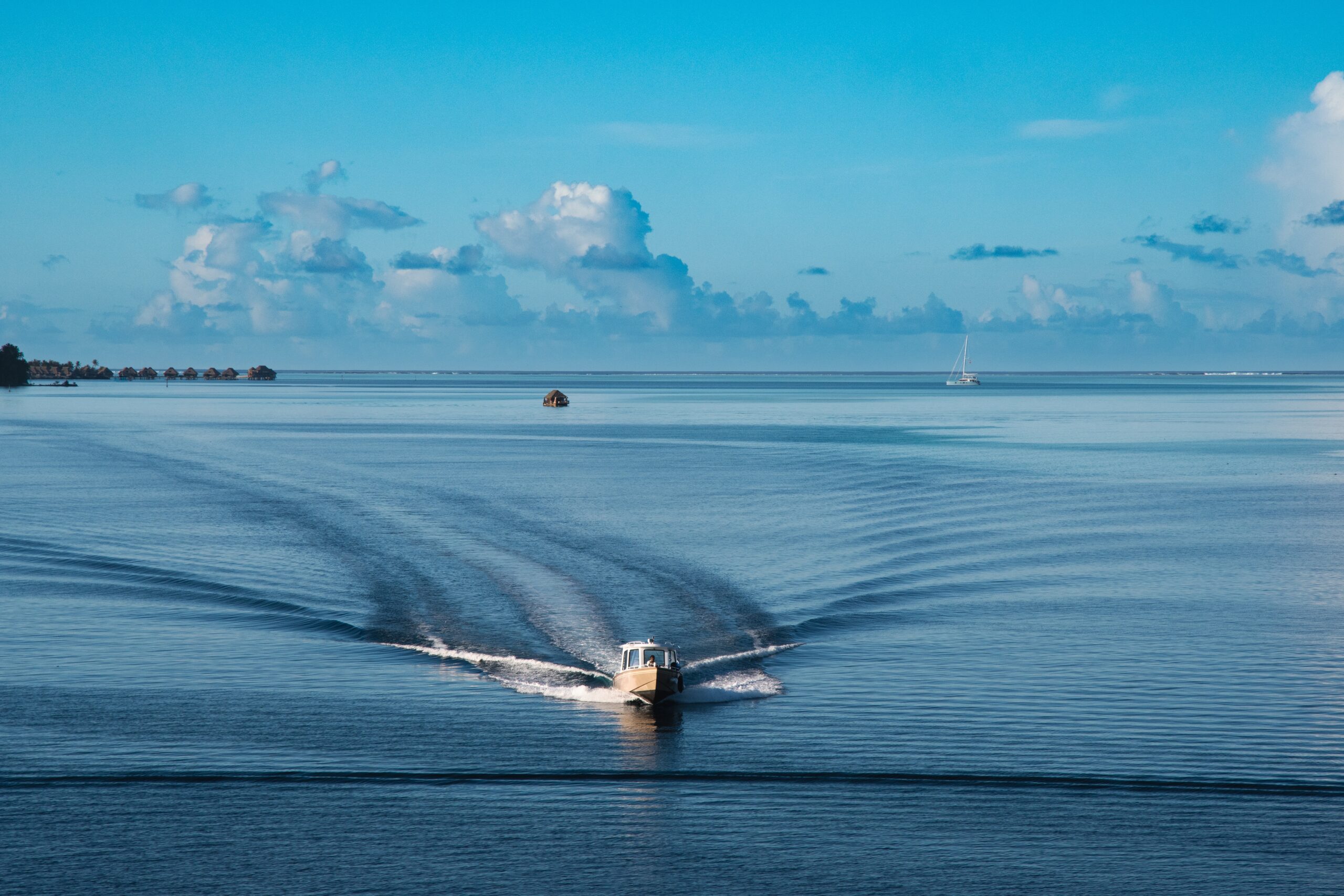
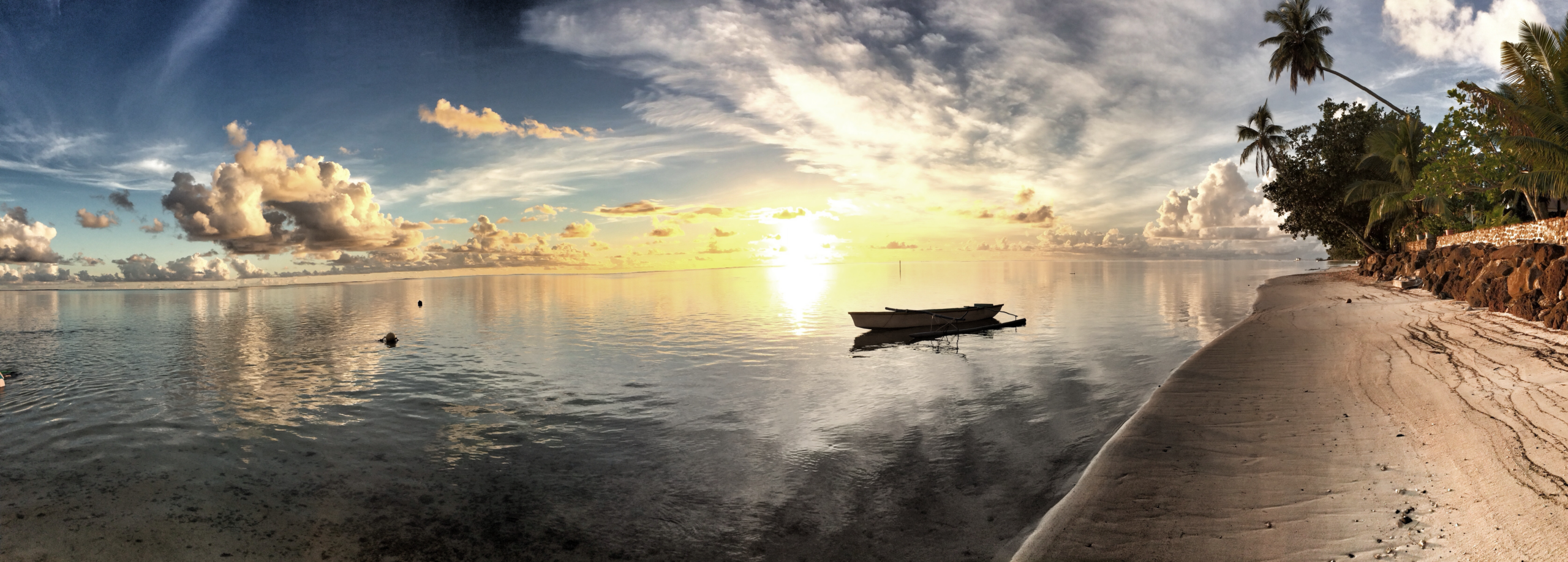
Moorea sits 17 kilometres west of Tahiti and is the first island most charterers visit after provisioning in Papeete. Cook’s Bay and Opunohu Bay — twin fjord-like inlets framed by jagged volcanic peaks — are two of the most anchored bays in the Pacific. Moorea is accessible enough for a day charter from Tahiti but rewards a slower approach: several nights at anchor, reef snorkeling, and hikes to the belvedere overlook above the bays.
Dolphin watching is a year-round activity off Moorea’s northwest coast, where spinner dolphins and bottlenose dolphins congregate in significant numbers. A small number of licensed operators run morning dolphin watching charters that frequently result in encounters in the wild.
The atoll frontier — 77 coral rings
The Tuamotu Archipelago is the largest chain of coral atolls in the world — 77 ring-shaped reefs enclosing turquoise lagoons, scattered across 1,000 miles of open Pacific. Most atolls have no permanent population and no facilities. To reach them requires a boat.
The passes — narrow channels connecting the ocean to the lagoon interior — are the charter highlight. Tidal currents through the passes create drift dives of extraordinary intensity, with grey reef sharks, hammerheads, manta rays, and dense schools of fish. Fakarava’s South Pass is arguably the finest drift dive in the Pacific and is protected as a UNESCO biosphere reserve. Rangiroa’s Blue Lagoon is a lagoon within the lagoon — a shallow turquoise pool accessible only by small dinghy through a gap in the reef.
Tonga — humpback whales and remote sailing
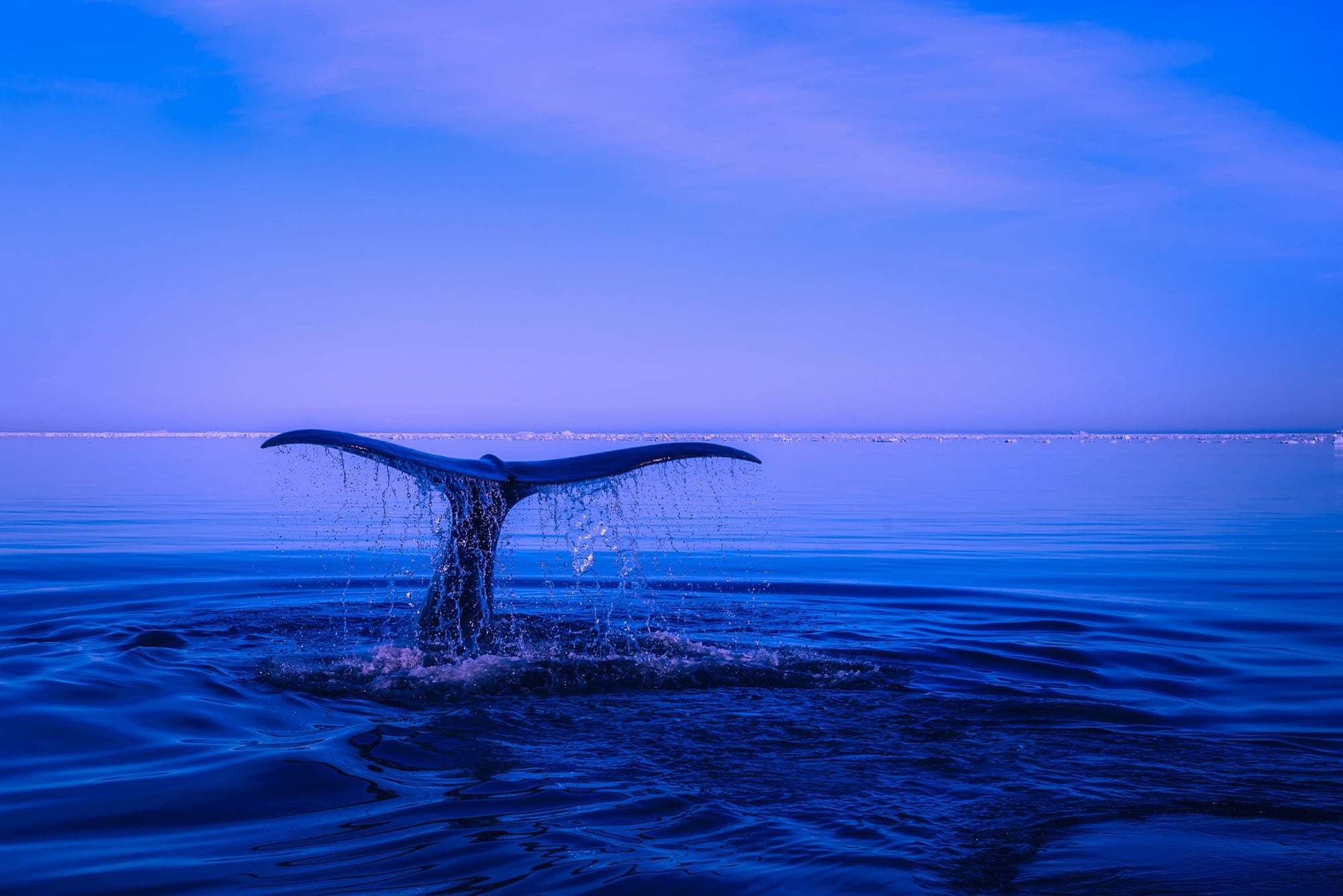
Tonga is the only place in the world where swimming with humpback whales is legally permitted under a licensed guide system. Between July and October, an estimated 3,000 humpbacks gather in Tongan waters to mate and calve — some of the highest densities of humpbacks anywhere on their migration route. Charter boats operating under Tongan whale-swimming permits take small groups into the water with mother and calf pairs, and with singing males.
Beyond the whales, Tonga’s Vava’u group is an exceptional sailing ground — 40 islands in a protected archipelago with steady trades and excellent anchorages. Ha’apai, to the south, is more remote and less visited — a flat atoll group with pristine reefs and almost no tourism infrastructure. For charterers willing to go off-grid, Ha’apai is Polynesia’s last frontier.
Cook Islands — Aitutaki and the world’s most beautiful lagoon
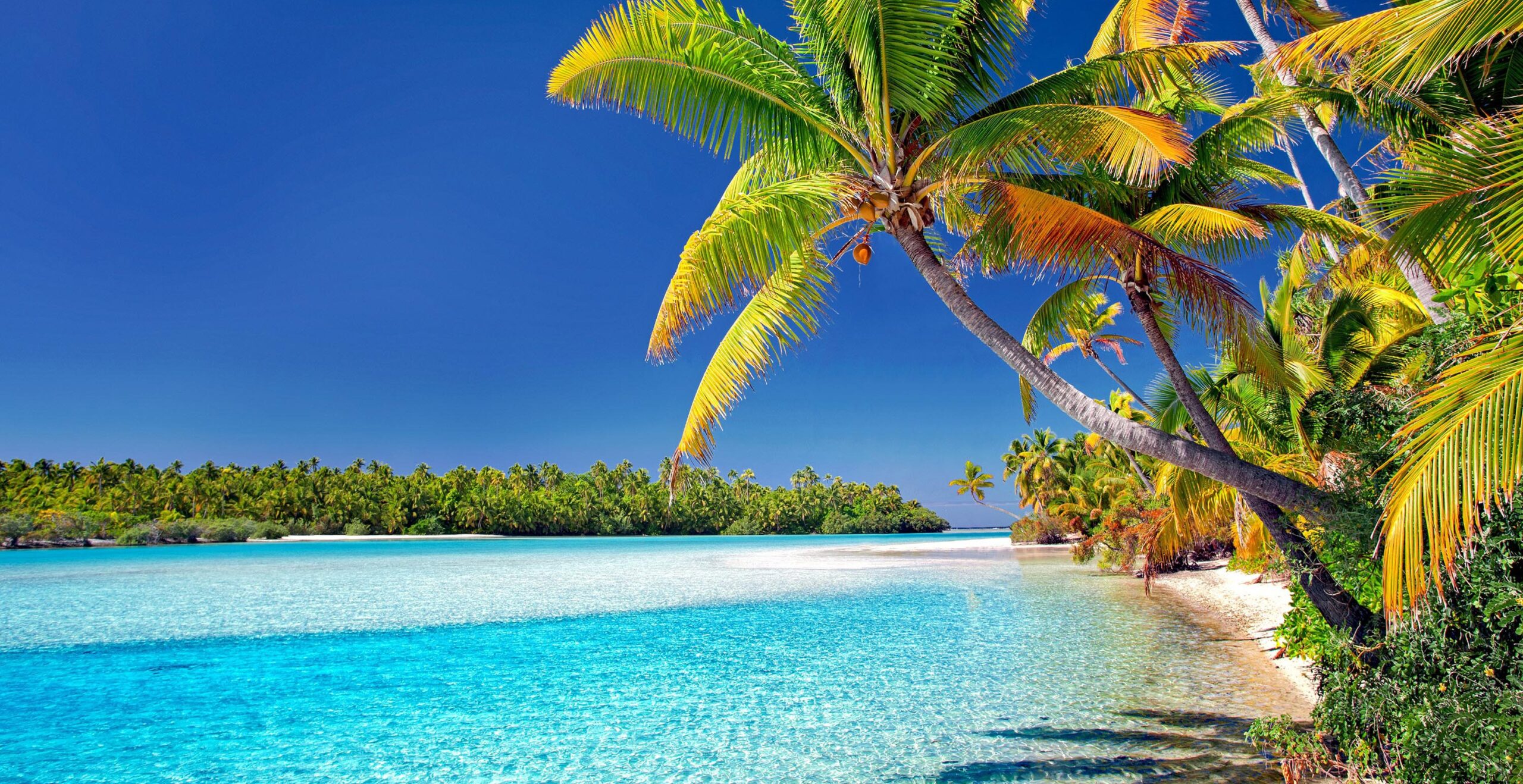
The Cook Islands sit at the southern apex of the Polynesian triangle. Rarotonga is the hub — a volcanic island ringed by a coral reef, with the country’s only international airport and a small charter fleet. Aitutaki, 45 minutes north by light aircraft, contains what many consider the most beautiful lagoon in the Pacific: a heart-shaped, shallow turquoise expanse studded with uninhabited sand motu.
The Cook Islands are a free association state with New Zealand, meaning New Zealand and Australian citizens travel without a visa and use familiar currency. For Australian and New Zealand charterers, it offers the shortest flight to one of the world’s most spectacular anchorages.
PLANNING YOUR TRIP
Season guide
Polynesia’s charter calendar — across French Polynesia, Tonga, and the Cook Islands
| Month | French Polynesia | Tonga | Cook Islands | Notes |
|---|---|---|---|---|
| January | Cyclone risk — most operators reduced schedule | Off-season | Cyclone risk | Peak cyclone season — avoid if possible |
| February | Cyclone risk | Off-season | Cyclone risk | Wettest month across the region |
| March | Cyclone risk easing | Off-season | Risk easing | End of cyclone season approaches |
| April | Shoulder — rain easing | Off-season | Good | Improving conditions, fewer crowds |
| May | Excellent — trades steady | Shoulder | Excellent | Trade wind season begins — best value |
| June | Peak — best conditions | Operators opening | Peak | Prime sailing month across all of Polynesia |
| July | Peak | Humpback season opens | Peak | Tonga whale swimming begins — book far ahead |
| August | Peak | Peak — whale activity highest | Peak | Busiest month across the entire region |
| September | Excellent | Peak — whale calves visible | Excellent | Slightly fewer crowds than August, same conditions |
| October | Good | Final weeks — whale season closes | Good | Last chance for Tonga whales |
| November | Good — trades easing | Off-season | Good | Cyclone season begins — monitor forecasts |
| December | Cyclone risk rising | Off-season | Cyclone risk | High season tourism but cyclone risk present |
PRACTICAL INFORMATION
Know before you go
What every Polynesia charterer needs to know
Passport & visa requirements
French Polynesia is a French overseas collectivity — a passport is required. US, UK, Canadian, Australian, and EU citizens do not need a visa for stays under 90 days but must show proof of onward travel. Tonga requires a passport; most nationalities receive a free 31-day visa on arrival, extendable. The Cook Islands allows up to 31 days visa-free for most nationalities with a valid passport and return ticket.
Cyclone season
The South Pacific cyclone season runs November through April, with peak risk December through March. Most charter companies reduce or suspend operations during this period. If you do charter during the shoulder months (November or April), ensure your operator has a clear cyclone plan and that your travel insurance covers charter cancellation due to weather. The northern Cook Islands and Tonga face the highest risk; the Marquesas sit outside the main cyclone belt.
Currency & cost
French Polynesia uses the CFP Franc (XPF), pegged to the Euro. Credit cards are widely accepted at marinas, resorts, and charter companies, but remote atolls are cash-only. French Polynesia is expensive — provisioning in Papeete costs approximately twice European supermarket prices. Tonga uses the Pa’anga (TOP). The Cook Islands uses the New Zealand dollar. Budget significantly more than equivalent charters in the Caribbean or Mediterranean.
Tonga whale swimming permits
Swimming with humpback whales in Tonga requires a licensed operator holding a Tongan government whale-swimming permit. The permit system limits the number of people in the water with any whale group at any time, and sets strict approach guidelines. Verify your operator’s permit before booking. Only a handful of charter companies hold permits — availability during peak July–September season is extremely limited and books out months in advance.
Atoll navigation
Navigating coral atolls requires daylight, a lookout posted forward, and polarised sunglasses to read the water colour. The Tuamotu passes must be transited at or near slack water — timing your approach to the tide is essential. Charterers without atoll experience should consider a skipper for the Tuamotu legs even if bareboat for the Society Islands. Several charter companies offer “skipper for Tuamotus only” packages.
Provisioning
Papeete is the only practical place to provision fully before a Polynesia charter. Raiatea has a reasonable supermarket near the marina. Remote atolls and the Marquesas have minimal or no food supplies — carry everything you need. Several Raiatea charter companies offer pre-provisioning packages. For Tonga, provision in Nuku’alofa before flying to Vava’u, or rely on Neiafu’s limited but adequate market.
OFFICIAL RESOURCES
Polynesia’s marine & tourism authorities
Government and conservation bodies governing Polynesia’s charter waters
Tahiti Tourisme
The official French Polynesia tourism authority — island guides, charter operator listings, entry requirements, and the definitive resource for planning a Society Islands visit.
Tonga Tourism Authority
Official Tonga tourism board — whale watching operator listings, sailing guides for Vava’u and Ha’apai, and current entry and permit requirements.
Cook Islands Tourism
Official Cook Islands tourism authority — Aitutaki lagoon guides, Rarotonga charter listings, and practical travel information for Australian and New Zealand visitors.
CRIOBE — Centre de Recherches Insulaires
The leading marine research station in French Polynesia, based on Moorea. Publishes coral reef health data and marine biodiversity research for the Society Islands and beyond.
Pacific Community (SPC)
The principal scientific and technical organisation supporting Pacific island countries — fisheries, marine resources, and ocean data across all of Polynesia.
UNESCO — Fakarava Biosphere Reserve
UNESCO documentation for the Fakarava atoll biosphere reserve — one of the world’s great marine protected areas and a must-dive destination for Tuamotu charterers.
EXPLORE MORE REGIONS
More from Oceania Charters
HAWAII
Hawaii
Kona sport fishing, whale watching, Nā Pali Coast →
AUSTRALASIA
Australasia
Whitsundays sailing, Milford Sound, PNG diving →
MELANESIA
Melanesia
Fiji sailing, Vanuatu outer islands, Solomon Islands →
MICRONESIA
Micronesia
Palau’s Rock Islands, Chuuk wrecks, Yap mantas →
Or return to the Oceania Charters homepage to explore all five regions on the interactive map.
Ready to charter Polynesia?
Browse sailing tours, catamaran charters, snorkeling expeditions, and lagoon cruises across French Polynesia and the South Pacific.
Find Polynesia Charters